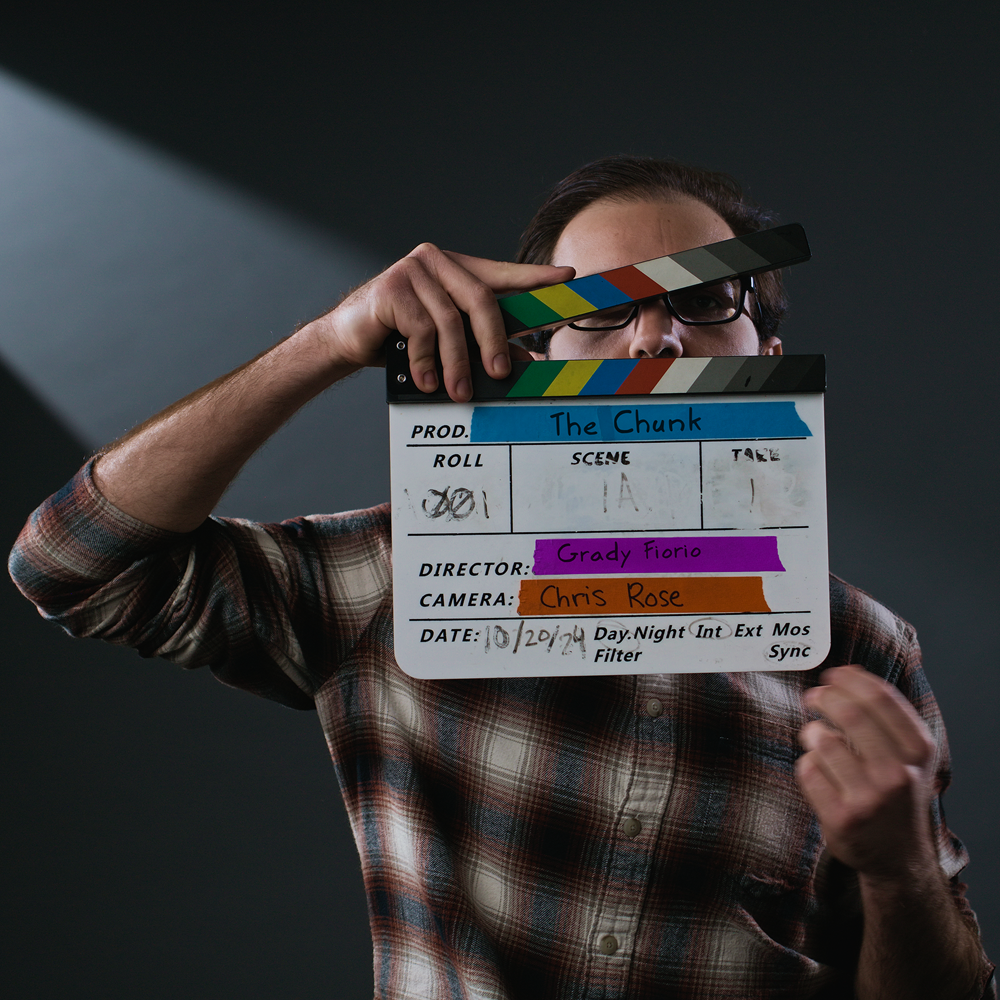
Editorial: Sundance 2026
Written by Grady Fiorio Original Publishing Date: March 3rd, 2026
The end of an era.
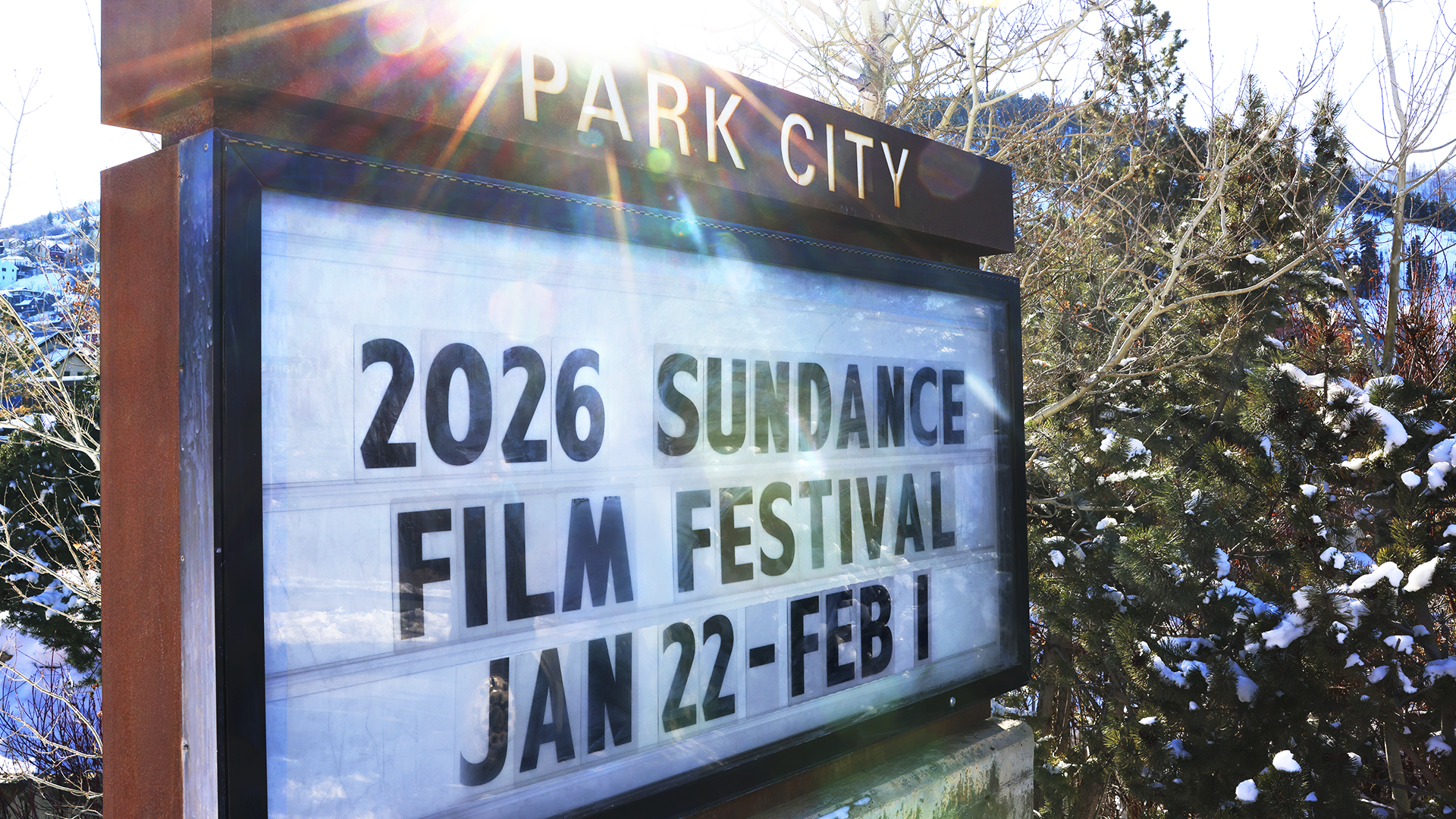
A record broken, a quintuple feature, and a tearful goodbye. As I boarded the plane, I left Sundance 2026 with tears in my eyes. Not just because once again I was leaving my favorite film festival in the world, but because this festival was leaving my favorite place in the world. For the uninitiated, last year Sundance announced that starting in 2027, Boulder, Colorado, would be the new home of the film festival for the foreseeable future. While this might not seem like a big deal, Sundance was formed in Park City, Utah, almost 50 years ago, becoming the largest and most influential film festival in America. While other festivals are defined more by their stars or programming, Park City was essential to shaping the festival identity, providing one half of the experience that Sundance offers. I’ve met many patrons who have been coming since the first year, and this festival has become home to them. This is, without a doubt, a loss for Park City, Sundance, and film history. It also marks a notable point in the continued shift towards Sundance leadership catering to corporate sponsors and big studios over filmmakers.
Sundance 2026 felt like a funeral. I don’t want to be the bearer of bad news and dark omens, but this cloud seemed to fog the festival. The skies were quite literally grey, with dead grass surrounding the mountain town, nearly devoid of snow. The normally hustling and bustling festival hub of Main Street was dead. There was almost zero promotion for the festival in town. The iconic Egyptian Theatre was gutted of its screening equipment and didn’t even display the famous Sundance Marquee. You could feel the palpable tension between the town and the festival as new arrangements had to be made for security and transportation, because the city was no longer offering the same support. It was like a messy divorce between your favorite parents. And realistically, how could you blame them? I’ve spoken much of my frustrations with Sundance over the years. The festival has gone corporate and favors its sponsors, while the programming of truly independent, quality films has gone down. A recent bombshell report from Film Industry Watch details how 40% of the 2025 festival’s programming came from NYU alumni. I’ve seen great films come from NYU, but 40%? Despite my deep love and admiration for the festival, its reputation has been going down, and this move to Boulder cements it. Not because Boulder is a bad city, but because nearly 50 years of history are being thrown away for short-sighted tax incentives. I don’t feel like the term “non-profit” really applies anymore. These worrying trends continue to push away filmmakers without studio backing or art school preferences, which worsens our industry.
If Sundance 2026 was a funeral, then every film felt like a eulogy. Almost every presenter and filmmaker acknowledged that this would be the final festival in Park City. The end of an era. This feeling of a dark cloud represents something much larger than a film festival. The American experience has become one of fear and shame over the past year. Cost of living, the Epstein files, ICE in city streets. It makes us all feel hopeless, and you could see that reflected in the programming. While indie films usually get a bad rap for being overtly long and depressing, this year, we’re guilty as charged. Most of the movies I saw were about how much life sucks, and nothing can be done to fix it. A lot of these films didn’t even have an ending. They just stopped, as if the projectionist ran out of film and gave us the “go home” speech from Ferris Bueller. I can’t blame the world for feeling this way, but I can say it’s the job of artists and their curators to be better as a light in the darkness. Not every film will or should be about endless hope, but they shouldn’t all be encouraging us to extinguish the flame.
It wouldn’t be fair of me to just bitch and moan here either. I don’t think there’s ever such a thing as a “bad year at Sundance.” I did feel dissapointed and I did feel let down. However, I also broke a personal Sundance record of films watched, saw my second (and hopefully last) quintuple feature, and I met some really amazing people. 21 films total, with 19 done in person. That beats my previous record of 19 total at Sundance 2024. Despite the negative sentiment about the festival, there was a small beaconing group maintaining hope that this new era could ditch old baggage and go back to its roots. While I have my doubts about the festival’s shift, I can only make my concerns known and embrace some radical acceptance of nature’s balance. For now, sit back, relax, and read about 21 of the hottest upcoming films out of Sundance 2026!
Big shoutout to all the PR teams that sent screeners and helped out with the press process this year!
*Any film with an asterisk was watched during the online portion of the festival
**Underlined titles can be clicked for further reading
Films of the 2026 Festival
21. Shame and Money
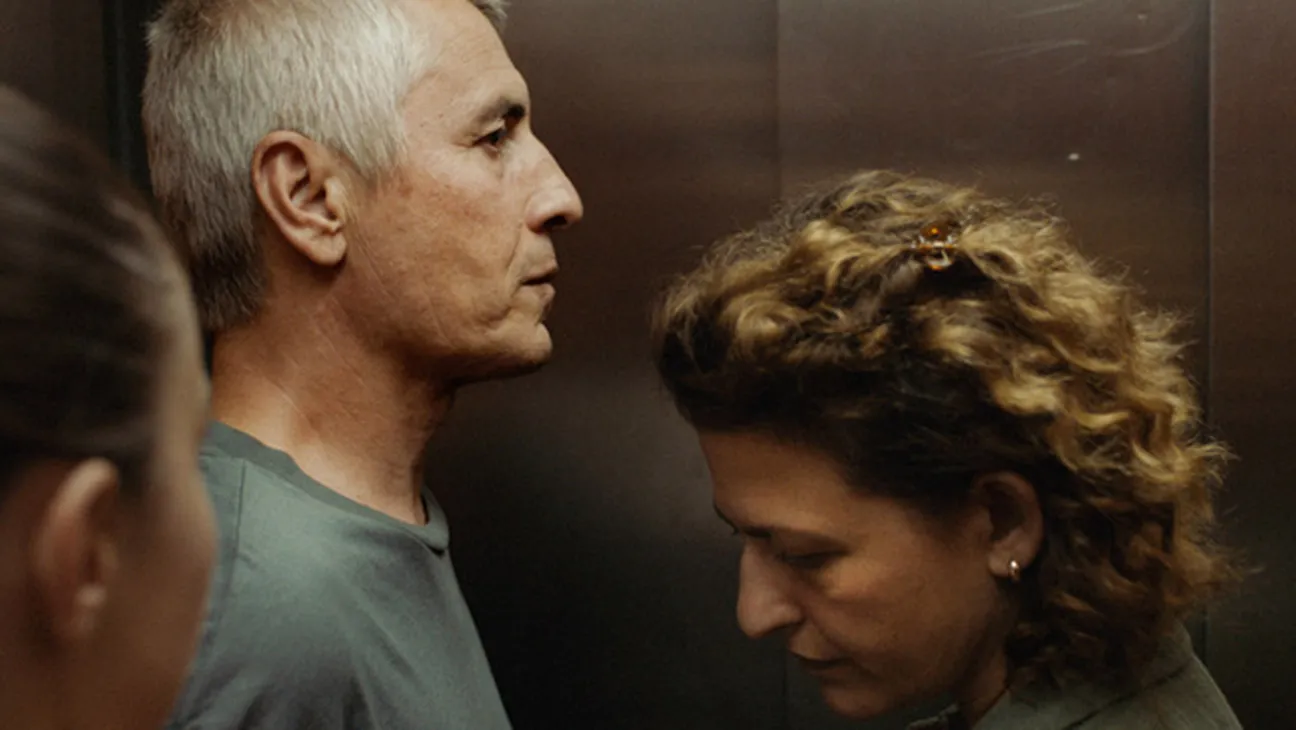
Rating: 1.5/5 Release Date: N/A Distributor: N/A
And so here begins my “villain arc” of Sundance. There were quite a few films this year that were critically acclaimed (and even award winners), that I just was not a fan of. A lot of these films had important messages with botched execution. The biggest offender was Shame and Money, one of the few films of my Sundance history that genuinely pissed me off. This Albanian film follows a struggling working-class couple as economic hardship leads them to shitty jobs and even shittier lives. There is nothing explicitly wrong with Shame and Money when looking from the outside. Great performances, great concept, important message. Everything looks competent. However, this 2+ hour slog presents the classic cases of an indie film playing things too subtly. So subtle in fact, that the audience is left to imagine what the film is actually supposed to be. I was begging for something, ANYTHING, to happen. Instead were dragged into an infuriating loop of a man doing the same shitty jobs, over and over again. Time after time, he is given a legitimate opportunity to get out of his circumstances, yet he turns it down. He claims it’s his pride, but it’s not handouts he’s turning away. Imagine struggling to put food on the table, only to tell your boss you didn’t want the promotion you earned.
The script does no favors to give these characters depth or a meaningful arc. The only thing we know about these people is that they’re sad and poor. These are the kind of people I want to root for, yet this writing was so infuriating that I couldn’t stand them. That is a true accomplishment. We’re given no depth to their history, desires, or personality quirks. They are vessels for an empty script. The film is also completely absent of an ending. We get this vicious work cycle, a pointless and questionable fake-out dream sequence, then a dragged-out finale that ends on a total wet fart. There’s no true third act. It’s as if the projector just shit the bed, and the director said, “Okay, that’s it. Go home.” That’s the ending you get. A total nothing burger. When the credits rolled, I put my head in my hand and sighed. I was really excited for this one, and it just let me down big time. In a time where unfettered capitalism is destroying our society and crippling the film industry, this seemed like a huge missed opportunity. Clearly, Sundance disagrees with me, as this won the World Cinema Grand Jury Prize: Dramatic award, but I can’t say this offers anything worth your time.
20. Closure
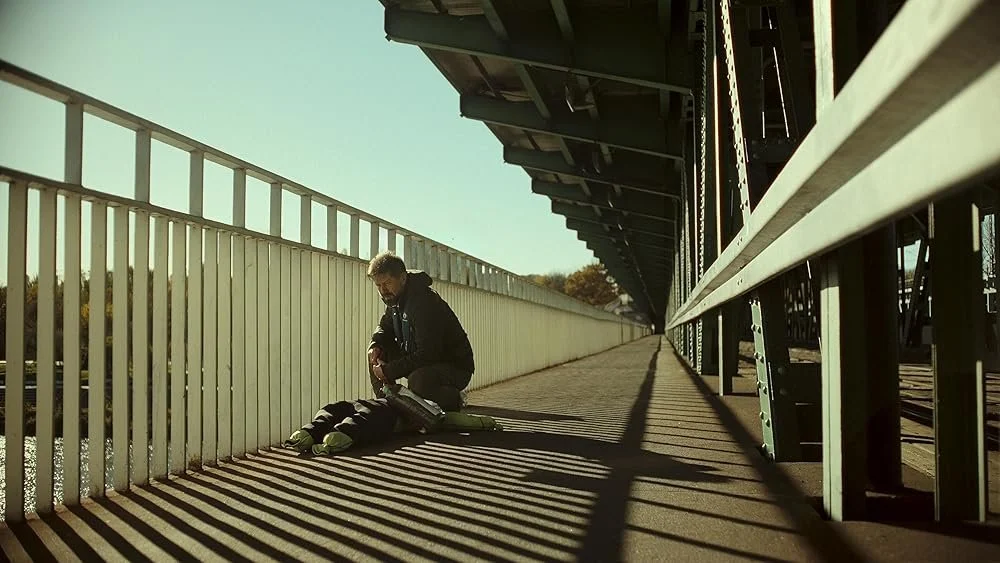
Rating: 1.5/5 Release Date: N/A Distributor: Subtex
Now I’m really going to test you with my villain arc. At least Shame and Money was a fiction film. Closure is a documentary. Although you wouldn’t know it until halfway through the movie. That’s because Closure is a distant look at a father searching a river for the body of his son, as he helps other grieving families find their lost children. And when I say distant, I mean distant. Instead of interviews, asking questions, or building a personal relationship with the families, we get shots of people staring at water, saying nothing. I feel terrible because clearly there’s a lot of heart and passion here. You have a dedicated father who wants nothing more than to find the body of his son, help families with missing children, and bring awareness to tragedy. Yet NOTHING happens in this movie. We don’t get a sense of who this father is, who his son was, or how this tragedy has affected the community around them. We should have spent time with the people who knew him best to try to get a picture of what and why it happened. Instead, we’re just left to aimlessly wonder if what we’re even seeing is supposed to be a documentary. Even at the Q&A, there was confusion from the audience. During the last portion of the film, the family discusses a bit about their son, sharing memories and his history, while also scouring his social media for clues. This part of the film is easily the most engaging and feels like the first hint of what this could have been. We see TikTok clips that lean towards isolation and antisocial internet trends. Before anything meaningful can come from it, the movie ends with no proper resolution. It’s an excruciatingly slow movie, but it’s shorter than Shame and Money, and doesn’t actively make me mad. For everyone’s sake, I hope all these families find their children and bring closure to their broken hearts. I just don’t feel like the film serves the mission.
19. Birds of War*

Rating: 2/5 Release Date: N/A Distributor: Dogwoof
Another documentary, Birds of War, asks the question Hideo Kojima could never seem to answer. Can love bloom on the battlefield? Apparently, it can, as Lebanese journalist Janay Boulos and Syrian activist Abd Alkader Habak find themselves falling in love while covering civil wars and Middle Eastern conflicts. While its concept is intriguing, Birds of War fails to fully capture the complexity and depth of its subjects. Most of this film boils down to candid footage of Middle Eastern wars, with very little context or structure to tell us what’s going on or why it’s happening. We never really get to know Janay and Abd, or how their relationship blossoms. It just does. It’s like digging through a hard drive of random videos and text, while using your imagination to craft a narrative around it. By the end of 85 minutes, it’s all over. I’m sure there’s a story here, but this documentary fails to provide one. Some moments do work, and it’s fun to see this couple living their fullest lives, but I never really understood what that meant in the context of their actions. In comparison to 2024’s parkour love story Skywalkers, Birds of War does little to spark the imagination or romance that can come from love’s blossoming in the face of death.
18. Night Nurse
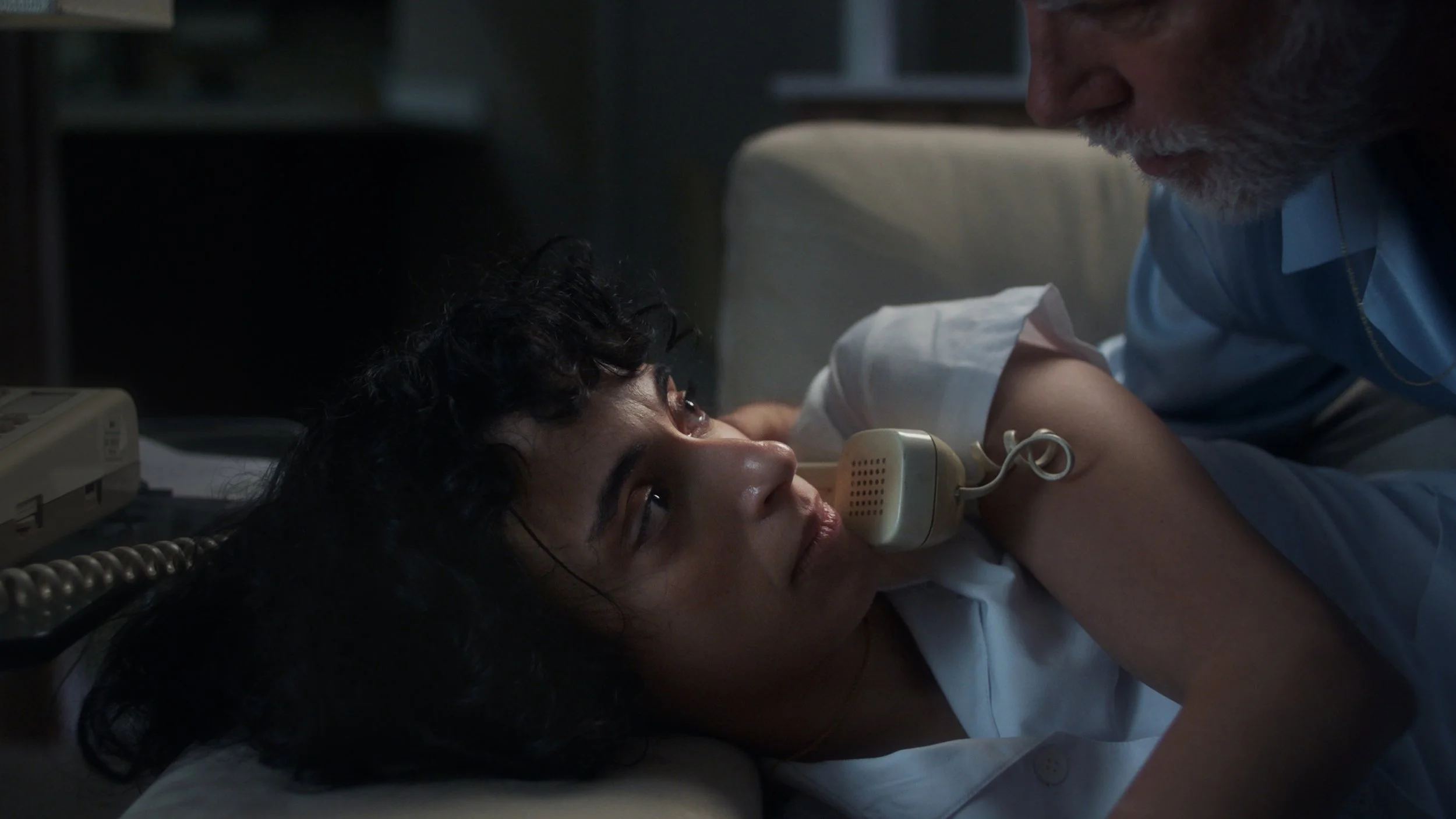
Rating: 2.5/5 Release Date: N/A Distributor: N/A
I’ve been a long-standing champion of bringing back erotic thrillers. Basic Instinct, Fatal Attraction, or even 2023’s Fair Play. When done right, you get some truly edge-of-your-seat cinema. Enter Night Nurse. This feature debut from Georgia Bernstein puts us in the shoes of Eleni, a night nurse at a retirement community that gets caught up in erotic scam calls under the pimp-like harem of resident Douglas. In such a boring time of cinematic history, such a bold and controversial genre take feels like an act of bravery. Bernstein is clearly embodying Cronenberg’s 1996 film Crash, and her fearlessness is commendable. However, what starts as an erotic exploration of nursing homes becomes a slow roundabout into repetitive storytelling. What’s intended to be hypnotic becomes tiresome, and characters that start entrancing end dull. It’s not truly bad in any way; it just loses steam. It probably didn’t help that this was the last film in a five-movie bender, but I know that I’m not alone in my feelings. This easily had the most walkouts of any film I’ve seen in my seven years at the festival. I was honestly surprised at the amount, as it seemed like groups walked out in mass every 10-15 minutes. It could be that scamming the elderly is just too touchy for the horny, or maybe we’re all just too tired of being fucked by older generations. The actual contents of the film aren’t actually that graphic, lacking any actual sex or nudity. Instead, it eroticizes its scam call by having those play like sex scenes. Whatever it was, people weren’t having it. I did contemplate walking out myself at a few points, but that had more to do with how tired I was as the film’s pace started to slow down. Despite that, I’m looking forward to seeing what Bernstein does next. Clearly, she has the tenacity to do something that her peers won’t. I just hope the next swing goes all the way.
17. The Huntress
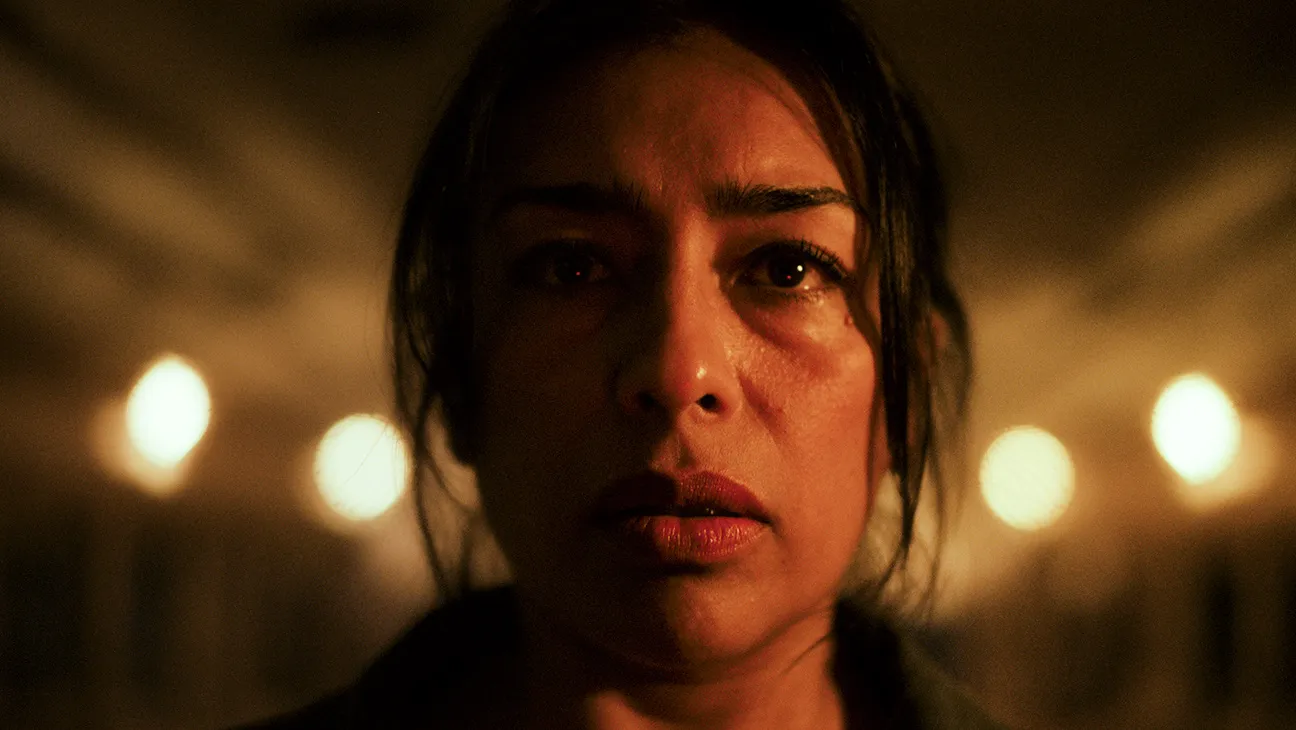
Rating: 2.5/5 Release Date: N/A Distributor: N/A
Now back to your regularly scheduled villainy. We once again have a great concept, great performances, and a powerful story that is underserved by unfocused direction. The Huntress tells a fictionalized story of the real-life Diana, the Huntress of Bus Drivers. Diana (here Luz) was a woman raped by a bus driver, and sought out her revenge by killing him in the middle of his bus route. Shooting him in the head during a bus run, Luz makes her escape into Juarez, Mexico, and is now left to try to return to her life while avoiding the chaos that comes with the killing. While The Huntress explores rape and revenge in communities that are distraught by it, it never seems to really dig into the moral complexities of its lead character. She kills bad people and acts extra judiciously in a system that doesn’t serve its community. It asks the question, “What is the responsibility of a society that is left to police itself in a lawless land?” The issue is that this moral complexity comes to a crashing halt when the film ends abruptly without addressing the consequences of its lead vigilante.
Like Shame and Money, The Huntress is left without a proper third act or true ending. It’s not ambiguous. It’s absent. This is a huge disservice to what is initially a wildly compelling and important subject, especially in the wake of increased political violence and distrust of law enforcement in the US. It also doesn’t help that the pacing is slow. Nearly every shot goes on for five seconds too long. This could’ve easily been trimmed down by 15 minutes and left time for a proper third act. There’s almost zero score throughout the film, really losing any life that could have been had in some of the more tense moments. It’s by no means terrible, and I commend the director, but ironically, it lacks the conviction to go all the way with its subject matter.
16. Aanikoobijigan
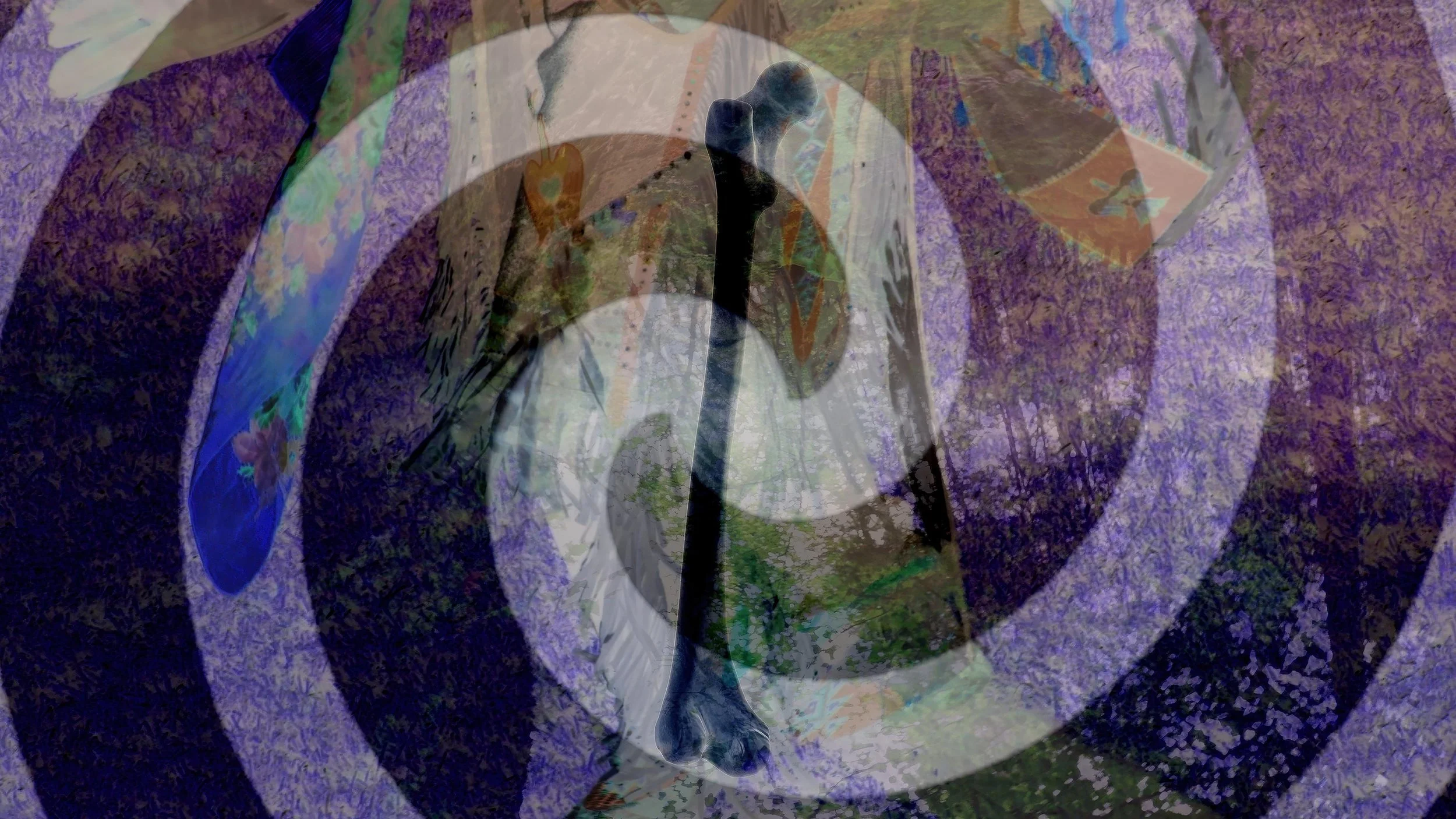
Rating: 2.5/5 Release Date: N/A Distributor: N/A
I’m ashamed to say that I didn’t always think of the consequences that come from anthropology. The study of humanity and our cultures is incredibly important, but rarely do we question our own history and the accuracy of how that is achieved. Documentary Aanikoobijigan begins to explore this, as indigenous tribes continue the long process of returning ancestral remains and artifacts from museums that carry the pillaged graves of their loved ones. Subjects like these are touchy for obvious reasons and have to be handled with care. There’s a lot of revealing information in this doc, but it says most of what it has to say pretty early on. Grave digging is bad, unethical practices have been accepted for too long, and the ancestors need to be brought back. I’m all for that, but the film stays in this loop without really creating a central narrative to structure the documentary around. To a degree, this is intentional and stated as such by the filmmakers. However, this feels weirdly out of place when most of the documentary is a talking head and b-roll style. There is a psychedelic element to the story, but it’s more of an occasional scene with some trippy visuals and neat sound design, instead of a transcendental way of storytelling, which is what I think the attempt here was. This was also weirdly anti-science. Racist pseudoscience like skull measuring was used to oppress people, and is obviously bad. What concerned me was when one of the interviewees claimed that “science is not objective.” In a time when science and basic facts are under attack, this feels like a weird statement to make. But I don’t want to give the impression that I didn’t like this film either. It had a really unique take on exploring repatriation and has quite a noble goal. I’m hoping these groups get the legislation necessary to return their ancestors home.
15. Union County
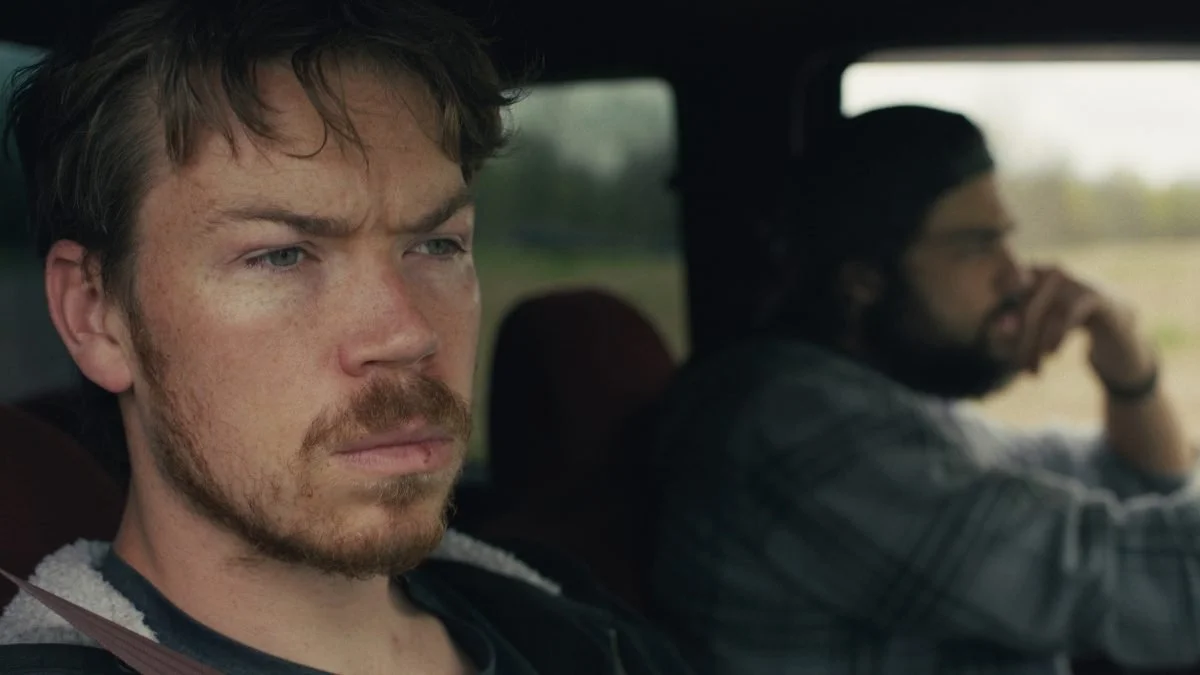
Rating: 3/5 Release Date: N/A Distributor: N/A
Union County hit me smack dab in the middle of the festival. It’s when I finally realized that I was being haunted by the ghost of slow-moving films with great performances, important messages, and mixed execution. Now I was begging for help. Thankfully, Union County is the best of the bunch, but I’d be lying if I told you I didn’t struggle with it. Union County blends fiction and reality, as Will Poulter plays a recovering heroin addict in a government rehab program. The twist? Almost everyone in the film is played by nonactors and real people inside the rural Ohio recovery program. This includes both the addicts and the government agents working to help them. It’s like Nomadland for the opiate crisis (thankfully minus poop buckets). I definitely enjoyed this more than Nomadland, but this still struggles with similar pacing and narrative arc issues. Here we only get a small slice of the story, always keeping the audience at arm’s length. The film really focuses on the first part of recovery, but never gives us a full picture of Poluter’s character Cody and the dynamic of his family life. We briefly meet his brother, played by Noah Centineo, but his screen time ends as soon as it begins. Not everything needs to be spelled out, but it doesn’t all need to be inferred either.
Despite these issues, this docu-fiction hybrid approach to storytelling was an incredible way of showing the reality of the opiate crisis without sensationalizing it. You won’t get any Oscar-bait scenes where shouting matches end in big crying spells. This is a movie about people suffering, recovering, and the vicious cycle that’s incredibly hard to escape. What I appreciated the most about this film was how it showed the Ohio justice system’s role in recovery. Fairly or unfairly, I never assumed there was a particularly compassionate government drug recovery in the US, especially one tied to law enforcement. However, Annette Deao and Judge Kevin P. Braig show an unmatched level of compassion for those trapped in the cycle of addiction, as they treat every person in their program with immense kindness. At a time when faith in our American institutions is at an all-time low, Union County reminds us that people are fighting the good fight and want to see those in need succeed.
14. Barbara Forever
Rating: 3/5 Release Date: N/A Distributor: N/A
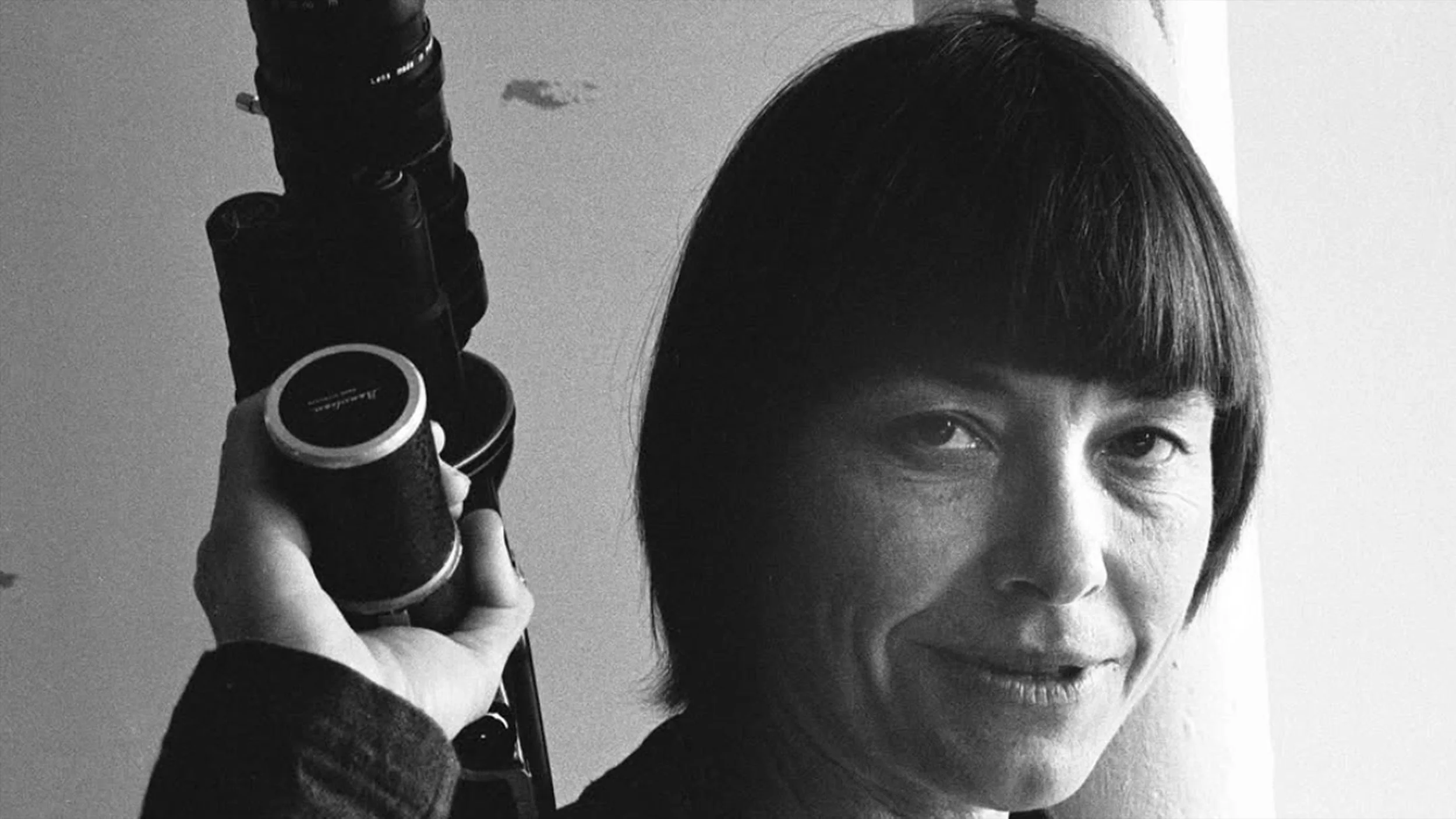
As a Bay Area filmmaker, it kind of feels like a sin not to have any knowledge of Barbara Hammer. A pioneer of experimental and LGBT film, Barbra was a boundary pusher and shit disturber, which sounds a lot like my kind of artist. While I might not be the target audience for experimental lesbian films, I wish I had known more about Barbara’s work when studying film locally. Thankfully, director Brydie O’Connor has come to share the word with Barbra Forever. What results is an experimental, odd, informative, but ultimately disconnected portrait of Barbara’s work. She lived to push the boundaries, but I never felt the weight of her work as an audience member. I just can’t connect with naked hippies aimlessly roaming through the woods. I’m a straight man, so there’s obviously a difference in our lived experiences; however, I want to be brought into a new perspective, not just bear witness to it. Barbra directly addresses this conflict at one point in the film. She was a lesbian and an artist who made lesbian art, but didn’t want to be seen as a “lesbian artist.” It was a criticism that she often received from straight men. I’m not blind to the irony here, but in my experience as an audience member, I’ve been pulled into other perspectives (including LGBT) while not directly relating to the circumstances. There’s a lot of nuance in how audiences and critics experience experimental art, and I wish this had explored it more. I still enjoyed what new perspectives I did pull from this, and recommend it to artists wanting to explore alternative styles of filmmaking.
13. Public Access*
Rating: 3/5 Release Date: N/A Distributor: N/A
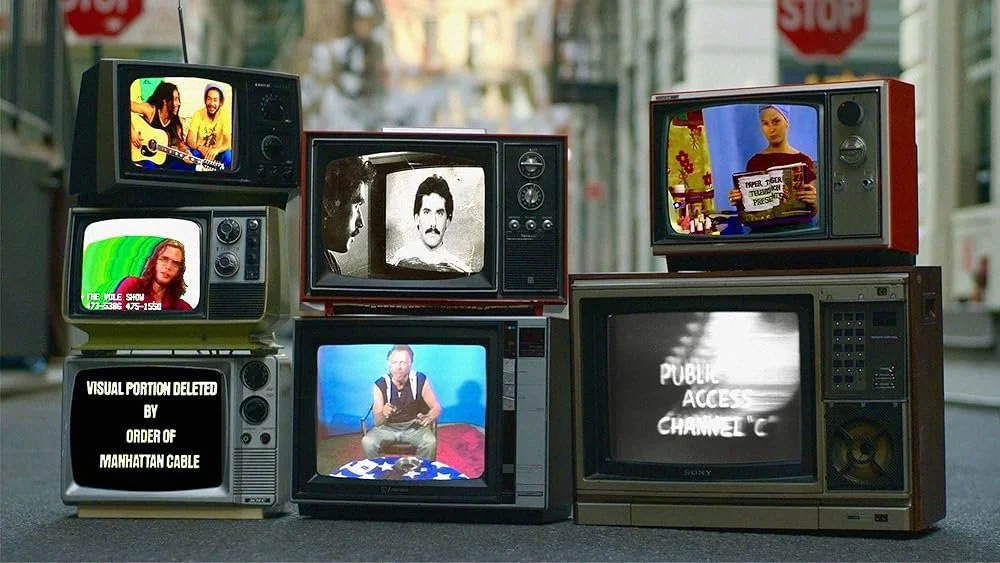
Underwhelming, unfocused, yet hard to look away from. This describes both Public Access and… public access. For those not in the loop, public access television is a form of non-commercial, local, and community based telvision, broadcast on cable. It’s basically an open platform for any Average Joe to hop on your television screen and do whatever they want for their allotted time slot. While most commonly used for local events and politics, peak public access was like a pre-Internet form of livestreaming, yet a little bit stranger. Turn on the TV, and now you're in somebody’s bedroom as they talk about how Pig Pen from Peanuts had the best drugs, learn why Ms.Piggy will be our next president, or get your freak on with a lightbulb. It’s all there, and there’s nobody to tell you no. Despite being publicly broadcast, public access TV didn’t follow the same FCC conventions due to free speech laws. That meant anything from conspiracy theory rants to porn could be freely shown by anybody with the tech to pull it off. Of course, this faced tremendous backlash, and restrictions were put in place. However, they were much looser than FCC rules, and because everything was simultaneously local and decentralized, it was much harder to police what came up on screens. It became a boundary-pushing form of entertainment and one of the last true bastions of free speech.
With this history lesson out of the way, Public Access documents the craziest of times as this form of TV dominated New York airways. Given the wealth of material, you’d think this would have been a slam-dunk documentary and right up my alley. Unfortunately, this is not exactly the case. While having very entertaining moments, Public Access lacks a narrative throughline, losing focus 20 minutes in. It starts as the story of how public access TV challenged the airwaves, only to get lost in tangentially related New York subcultures. There’s no main subject to follow, underdog to root for, or clear message. It’s a whole lot of “Ain’t that strange? Ain’t that neat?” There are still fun oddities like the quick rise and fall of the unfortunately named Squirt TV, or the strange porno rags that somehow snuck live X-rated content onto public airways. But ultimately, there’s very little meat on the bones. For as much as this focuses on sex in public media, it has very little to say about its purpose other than scandal. If Barbra Forever was a nuanced look at arts crossover with sexuality, Public Access is a little person in drag smacking you on the ass for the entire city to see… literally. It’s not a bad watch, but it’s about as entertaining as channel surfing the public airways.
12. Sentient
Rating: 3/5 Release Date: N/A Distributor: Dogwoof
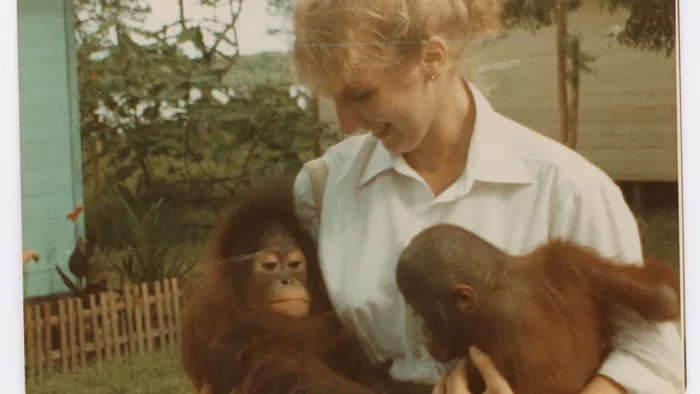
Animal testing has long been in the eye of public scrutiny. A necessary evil or just plain torture? The debate has raged on for decades. When human lives are at stake, morals will always be tested. Our distant primate cousins have often been caught in the crosshairs of this controversy, as their similar DNA and structural makeup to humans have made them seemingly prime candidates to test new medications, vaccines, and products that could dramatically improve and save human lives. However, savior meets commerce as many products are also recklessly and needlessly tested for the “glory” of capitalism, leading to the deaths of many animals born and bred to be tested and killed. Sentient brings a surprisingly nuanced and balanced look at the subject, never shying away from how the history of these tests has shaped the way we practice medicine, cure plagues, and torture animals. It’s quite eye-opening to see how the structures around animal testing have changed so dramatically, yet in many ways stayed almost completely unchanged.
The main subject of focus is Dr. Lisa Jones Engel, who, after spending decades caring for primates during testing, became a staunch anti-animal testing advocate. Her journey shows the very human cost of animal testing, as the mental barrier between caring for an animal that is bred to be killed starts to shatter. It may surprise you to learn that many of those working in testing are actually animal lovers. The core belief comes from the idea that an animal bred for testing deserves to be treated with the utmost care and respect. However, the mirror is flipped around, knowing the painful testing and ultimate end the animal will face. The quote that stuck with me the most came from one of the lead pioneers in the field. “I don’t know if what we’re doing is right, but I do know it’s what we need.”
While America has implemented strict rules on how testing is conducted, there are plenty of loopholes and regulation oversights that keep things from being truly fair for the animals undergoing testing. Other countries have even less regulation, leading to testing on non-primates and even some of our furry friends. But the controversy doesn’t end at cruelty, as it is revealed that many animal tests are completely unreliable, and have been for decades. Success in primates often leads to failure in humans.
While Sentient is filled with eye-opening information, it can’t fully escape an overly long runtime and some redundant information. This is especially so when some bombshell footage is dropped right at the end of the movie, yet goes entirely unexplored. This seriously has one of the most shocking final shots of a Sundance film, with almost no elaboration. Thankfully, I got some privileged information from the filmmaker himself (which I unfortunately can’t share here), but it felt like a serious missed opportunity. I’d still recommend you see this film, because it holds a lot of withheld knowledge that is seriously important to how our society functions.
11. Fing!
Rating: 3.5/5 Release Date: TBD Distributor: Transmission Films (Australia and New Zealand)
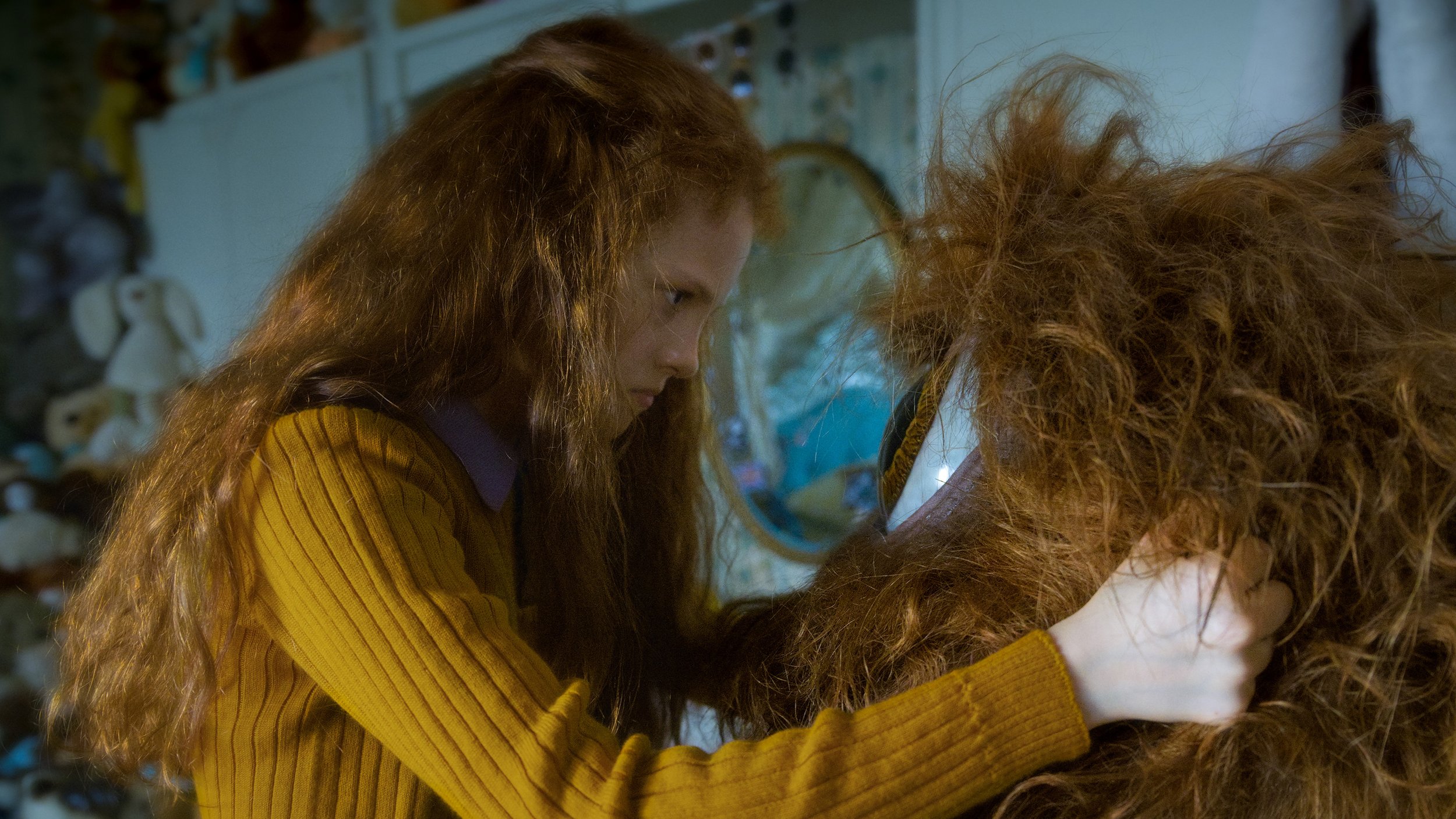
Speaking of animal lab testing, Fing! brings us a creature that seems pulled directly from an evil science lair. Last year, we had The Legend of Ochi. Now we got Fing! There seems to be a running theme of little ET-inspired asshole gremlins that go on charming adventures with little girls. Thankfully, Fing! proves to be more germlin than asshole. This Australian family comedy follows spoiled brat Myrtle, as she begs and pleads her push over partents for a mystical creature dubbed “Fing”. Mrytle finds out to be careful what she wishes for when Fing proves to be an even bigger brat than herself. Trouble ensues when Fing is caught in the crosshairs of an equally spoiled viscount, played by Taika Waititi. While my brain was still piecing together any semblance of alertness at this early morning, Fing! blasted me with way more energy than I could handle while that tired. The production and set design are immaculate, and you can really see where the whimsy and wonder were channeled for this film. It’s like Matilda crossed with ET. It can definitely be a bit much at times, with Myrtle’s bratty behavior pushing the line of what I could take as an audience member. There are a few too many fart jokes that don’t land, and the pace of this movie runs like child Scarface snorting a line of sugar. But when Fing! works, it works. Bring your kid to see it. They’re gonna lose their fucking minds.
10. Hanging by a Wire
Rating: 3.5/5 Release Date: TBA Distributor: Universal
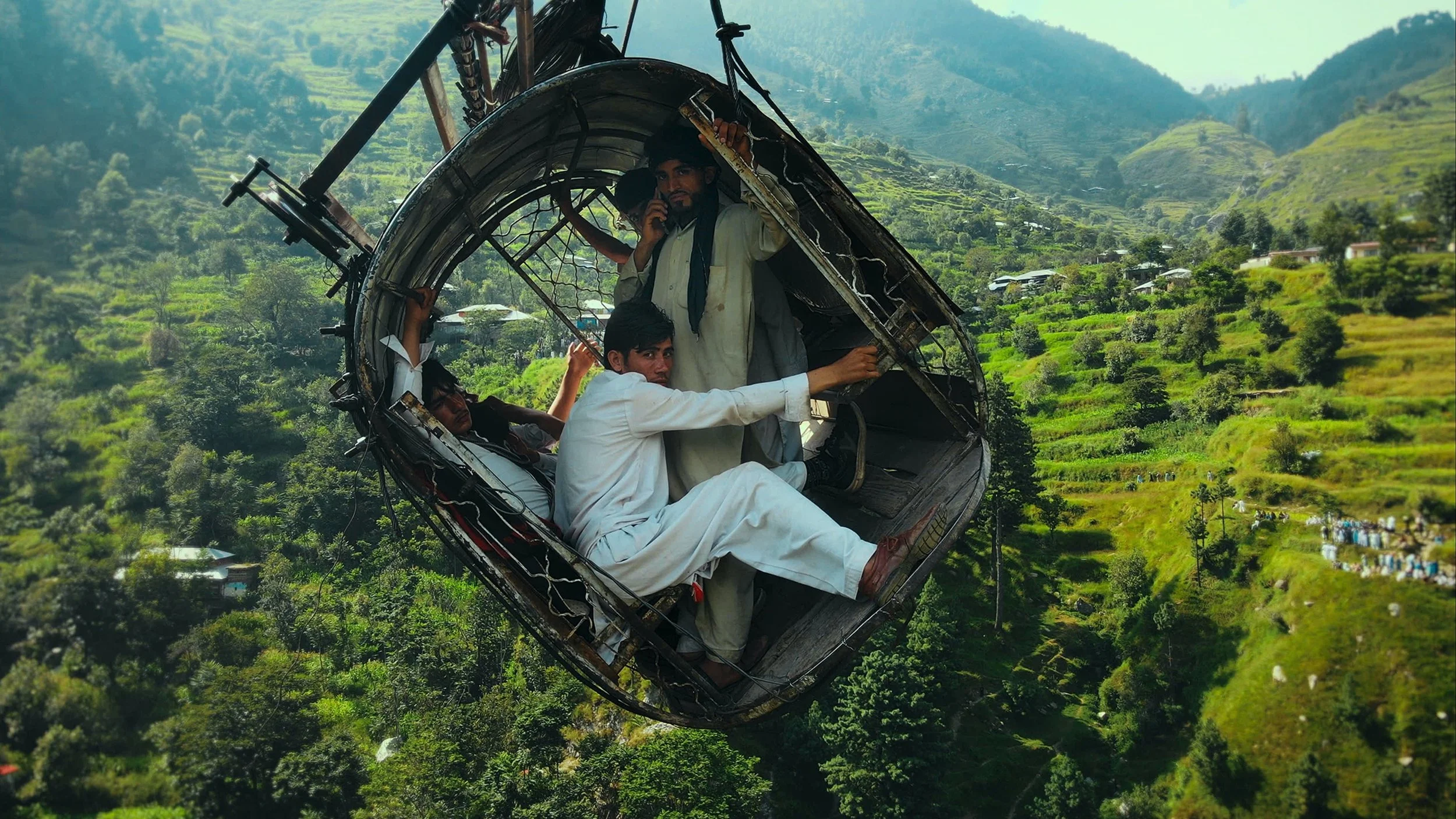
I’m not sure why, but I had some hesitation going into Hanging by a Wire. It was the end of a documentary triple feature, and I had some weird inclination that this would be slow-paced despite it’s high tension subject matter. I couldn’t have been more wrong. Hanging by a Wire is an absolute thrill ride that plays like a ’90s action movie in real time. Inside a small Pakistani village, students and civilians cross a massive valley by shoddy homemade cable cars as part of their commute. When one of the cables snaps, 8 locals are trapped 900 feet in the air, waiting for rescue, among uncertain death. This documentary is absolutely harrowing. Being completely ignorant of this 2023 incident, I was constantly on the edge of my seat to find out what happened next. It’s already compelling when the clock is ticking, and innocent lives are literally hanging by a thread, but as the story unfolds, a whole village of Pakistanis comes together to be action heroes. It’s a blend of Hollywood cinema with true heartfelt compassion. Real footage from the village and local news is combined with action movie-style re-creations to always keep the pace. Every near success is met with a moment of near failure; each moment becomes tenser than the last. By incorporating locals as the heroes, we get a community-first story that shows the triumph of the human spirit in the face of adversity. Director Mohammed Ali Naqvi stated in the Q&A how this was a specific choice, so that the village could see themselves in a light that they are very rarely portrayed in. This is a movie carefully crafted in the edit and truly shows how documentaries can shine beyond being a series of talking heads.
While based purely on speculation, I have a feeling that Universal acquired the rights to this documentary in hopes of adapting it to a narrative feature, which it is absolutely primed for. Given the quality of the re-creation scenes, my vote is for Naqvi to direct.
9. Queen of Chess
Rating: 3.5/5 Release Date: N/A Distributor: Netflix
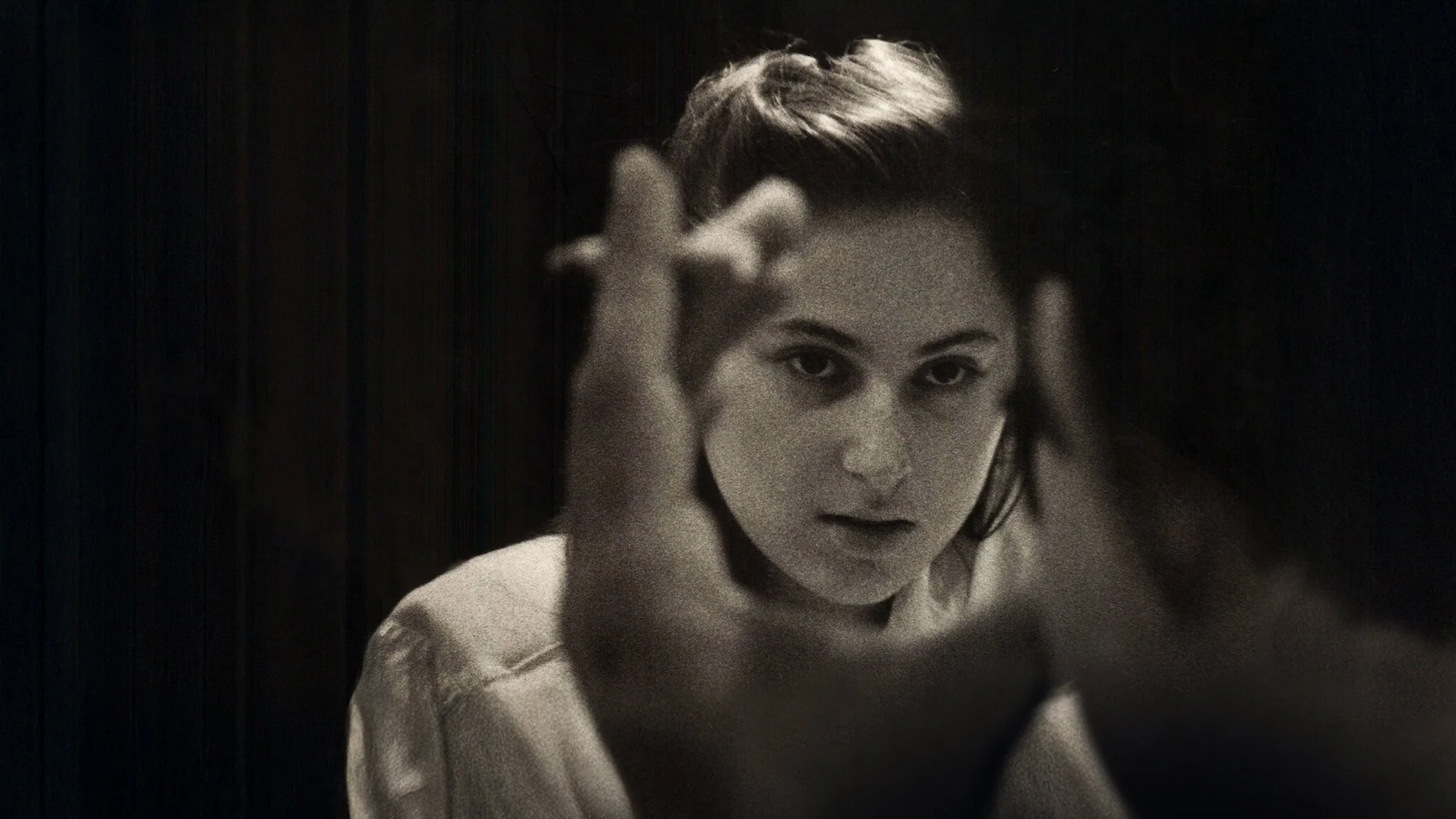
While Netflix documentaries are famous for their formula, Queen of Chess put this style to rest. It’s a punk rock journey into the highest levels of chess and a long-standing rivalry in one of history’s longest-running mental sports. The film follows chess world champion Judit Polgár. Judit is not your typical young genius prodigy. She wasn’t born a genius, but rather carefully calculated to be formulated into one by her ever-demanding father. Her greatest rival becomes a close friend, while remaining every ounce of tension that comes with high-stakes sports. Director Rory Kennedy gives us an inside look at chess from the perspective of an outsider. This unique perspective, combined with Judit’s heated rivalry with fellow chess legend Garry Kasparov, keeps Queen of Chess consistently compelling and engaging. While this does feature a handful of talking-head interviews, they always add just enough information to the story and insight into the subjects. Garry Kasparov is an absolute character, and his interviews provide some of the film’s funniest moments. While it may not be revolutionary, Queen of Chess knows how to be entertaining and inspiring. Judit’s story is inspirational, not because she beat the odds, but rather because she proved the odds were bullshit to begin with.
8. Tell Me Everything
Rating: 3.5/5 Release Date: N/A Distributor: N/A
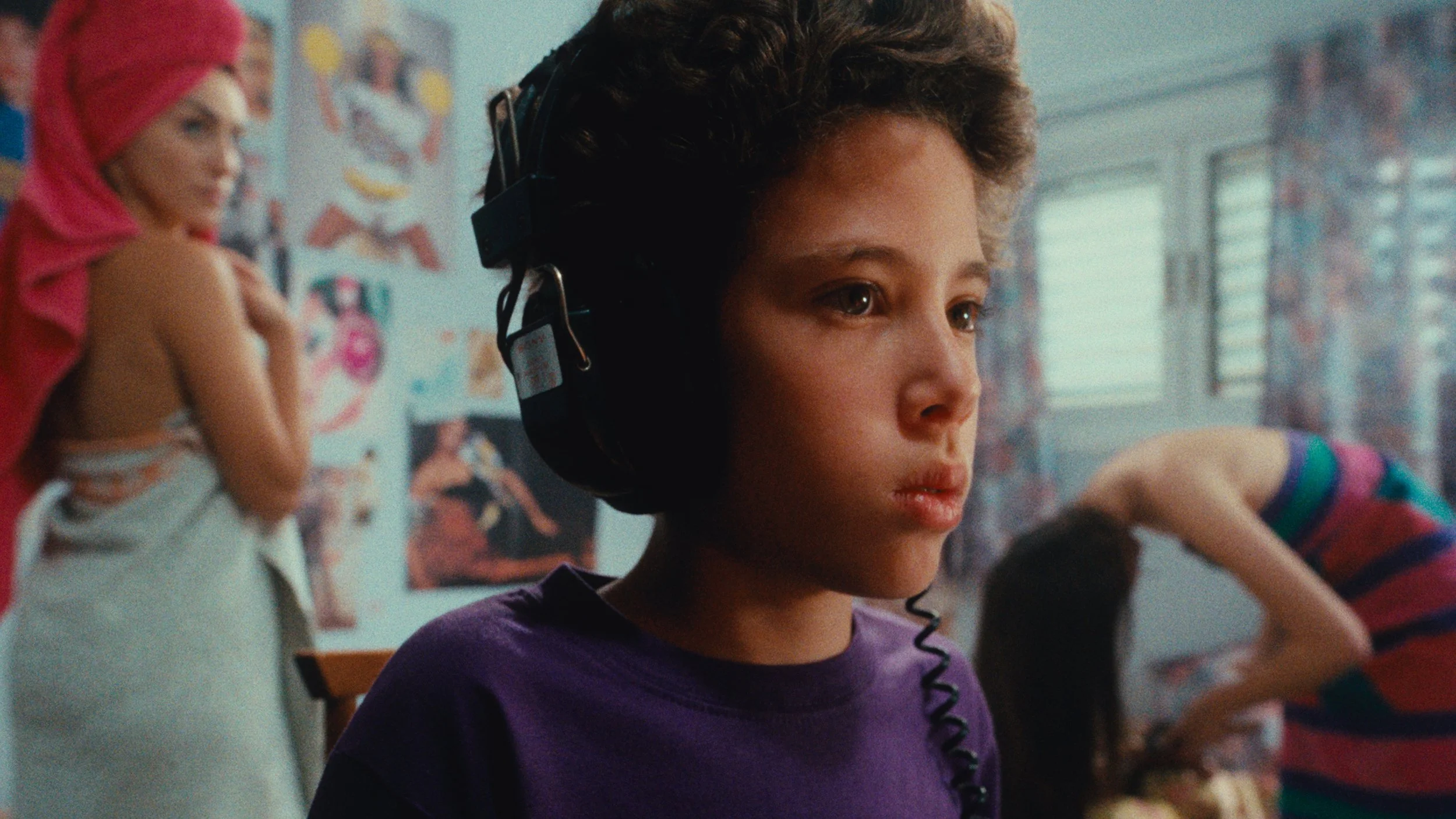
The truth can only be hidden for so long, and unfortunately, secrets only prove to hurt all involved. This is the story of 12-year-old Boaz in Tell Me Everything. After an incident in a locker room shower, young Boaz discovers that his father, Melr, is a closeted gay man. Living in the height of the AIDs epidemic, this revelation shatters their family and leaves Boaz without a father figure in his life. It’s a surprisingly tender film about fathers and sons, and discovering what it means to be a man. I wasn’t sure how I felt about it at first, but slowly I came around to this family and the unimaginable struggle they faced. Being that young and having your world shattered is quite brutal, but Tell Me Everything has a gentle touch for tough subject matter. There’s a lot of humor and hope, as well as a superb cast that brings it all home. Yair Mazor is especially great, carrying a lot of the film’s emotional weight at such a young age. The film is split into two distinct halves, following a time jump in the middle. The first half of the film is definitely the stronger portion, while the second half is a bit unfocused. We don’t get to spend nearly as much time with the immediate family that made the first half so enjoyable, and the absence of Mazor’s performance is felt. It really was a bummer that the film’s second half pretty much cut out Boaz’s sisters entirely, because they brought so much life to the film. A lot of what made these characters so enjoyable to watch was their intertwined dynamic. That aside, the second half still gives us some incredible moments and caps the whole thing off quite beautifully. At its core, Tell Me Everything is a charming yet complex look at the relationship between sons and father, and the unmistakable bond that binds them.
7. The Disciple
Rating: 3.5/5 Release Date: TBD Distributor: TBA
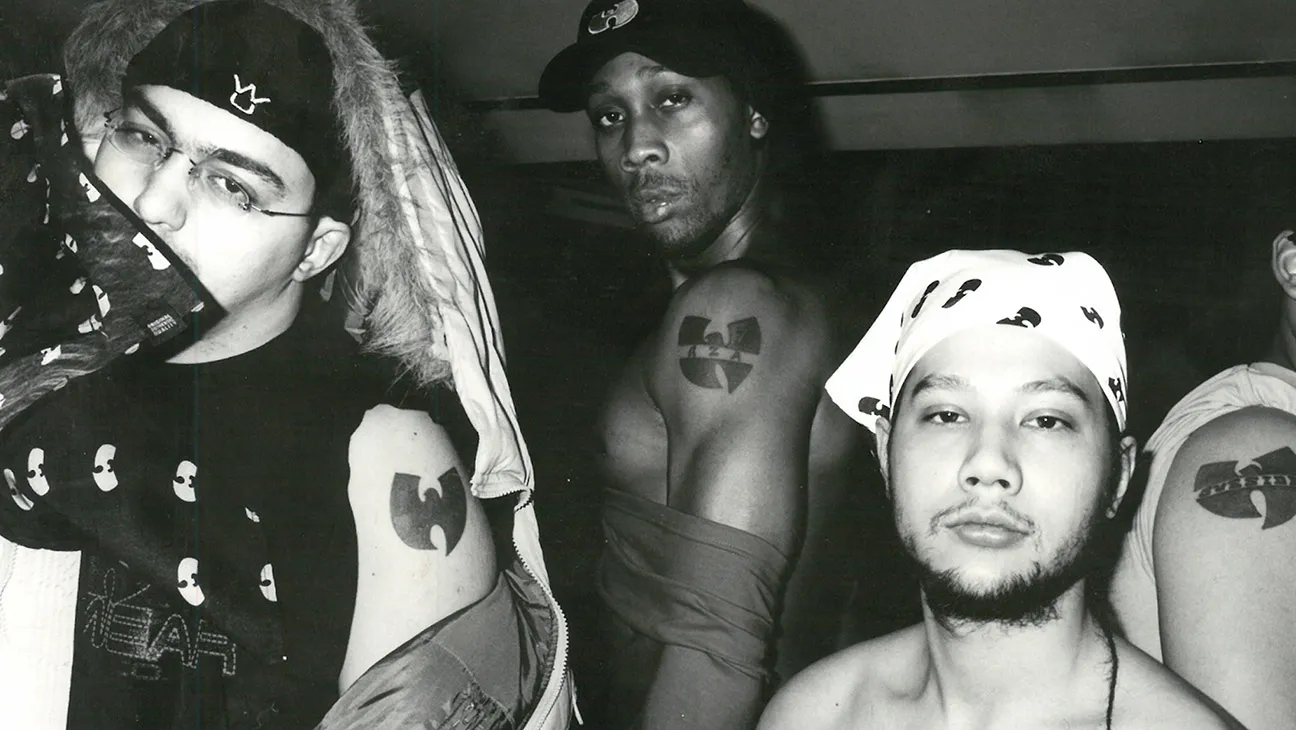
The Wu-Tang Clan was pretty core to my high school experience. Ever discovering the masterpiece that is Tom Caruana’s Wu-Tang vs The Beatles: Enter the Magical Mystery Chambers, I was hooked. Enter the 36 Chambers, Supreme Clientele, Return to the 36 Chambers, and a whole bunch of Chinese kung-fu films and philosophy, Wu-Tang became an obsession for 16-year-old Grady. They weren’t just a hip-hop group, but an entire style unto themselves, one I had never experienced before. In comes Cilvaringz, a rapper, producer, and apprentice to Wu-Tang leader and master Shogun the RZA. After a long journey from the Netherlands to Long Island and years of apprenticeship, Cilvarings would work his way up the Wu-Tang ladder among their associates, The Killa Beez. After spending years on tour and producing with the team, a string of random studio sessions with The RZA would form into Once Upon a Time in Shaolin. This was to be a one-of-a-kind Wu-Tang album, only to be sold once to the highest bidder, topping out at $2 million. A controversial art piece, it was a testament to the permanence of music in a time when streaming services and piracy were heavily devaluing its creation.
The Disciple follows this journey, specifically Cilvaringz, as he rises from small-town kid to big-time music producer, culminating in Once Upon a Time in Shaolin. As a child of Wu-Tang, this was fucking awesome. It’s straight hip-hop history through the eyes of a man sharing the same idols as I when I was his age. Even though this documentary was my introduction to Cilvaringz, I felt an immediate connection with his journey to become recognized as an artist, at any means necessary. Whether it’s taking a random plane to NYC in hope of catching the Wu, or jumping on stage at 16 years old to rap with the RZA in concert, Cilvaringz tenacity is instantly compelling and relatable to nearly any artist. However, my favorite part of the film was the interviews with Shaolin Monk, Shifu Shi Yan Ming. His comedic timing, infectious personality, and words of quick but precise wisdom always felt perfectly in tune with the journey we follow. In his final interview, he looked directly into the camera and spoke of never giving up when following your dream. The directness with which he spoke made it feel as if he were talking directly to me. It was like the movie stopped, the rest of the world froze into place, and it was just Ming and me in that massive theater. I’m currently going through the process of showrunning an independent series, and this moment felt like a sobering reminder that, despite the difficulties, I cannot give up. It sounds corny, but it felt absolutely surreal.
While The Disciple has no issue with being inspirational, it does struggle with pacing. It could have just been that it was a very late night on my first day of traveling, plus the end of a triple feature, but I couldn’t help but feel like this could have shaved off some time and been a cleaner experience. Better yet, more time could have been focused on the creation and controversy around Once Upon a Time in Shaolin. Despite being advertised as a documentary about the album, it doesn’t come into play until the third act as a sort of triumphant culmination of Cilvaringz’s career. There was still a lot of good information here, but the balance was a bit off. The biggest surprise was that my (very much non-hip-hop fan) parents really dug this. I guess Wu-Tang really is forever 👐
6. Cookie Queens
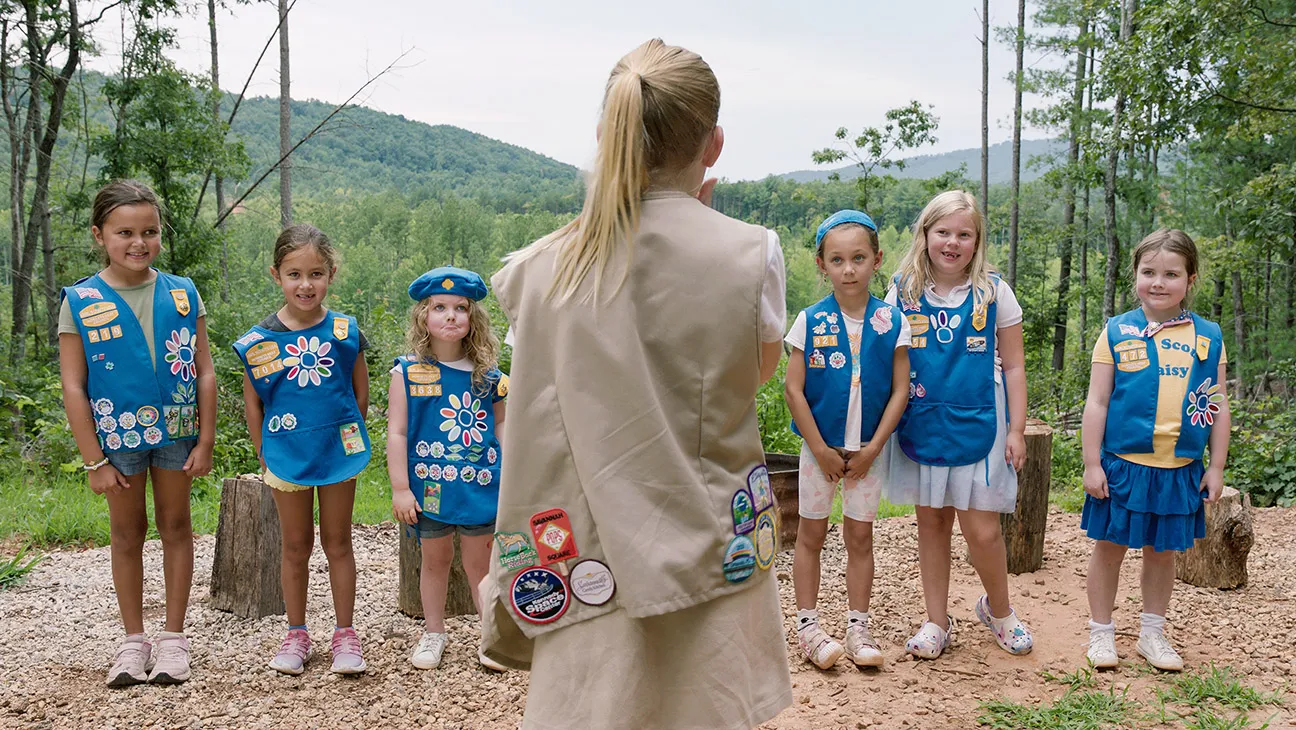
Rating: 3.5/5 Release Date: TBA Distributor: TBD
Cookie Queens, the film so cute that you’ll almost forget we’re living in a capitalist hellscape… almost. On the surface level, this movie will melt your heart like a box of thin mints left in the sun. This documentary follows four Girl Scouts and their families as they attempt to be the top sellers, break their own personal records, and propagate an $800 million cookie empire. From the first frame, this movie pulls you in. Each of these girls is so adorable and has an infectious charm that always keeps you rooting for their success. Be it the many “kids say the darndest thing” moments, or their tenacity to never stop in the most uncertain of conditions, there is a true heart to this film that keeps you and your attention firmly rooted. It’s also the only documentary I’ve ever seen that captures the imagination of children. This was under the “Family Matinee” section of the program, and the audience was (roughly) one-third kids. They were going nuts and eating up just as much as the adults were.
However, just under that layer of cute and kindness is a constant reminder that these girls are essentially free child labor for one of the world‘s largest B2C sales organizations, disguised as Girl Scouts. As previously mentioned, this $800 million subindustry of the Girl Scouts serves as one of their largest sources of funding when it comes to their local troupes. Scouts are encouraged with a rewards program (summer camp, scout trips, etc), where each box sold funds $1 toward their reward. This encourages high sales and big money. The catch, families have to buy their own boxes. This leads to thousands of dollars spent on boxes and a shocking amount of financial strain. Watching these girls fight tooth and nail to make sales as the parents question a second mortgage creates an uncomfortable feeling that Cookie Queens never fully address. But it doesn’t shy away from it either. The scouts are honest about their feelings and experiences, but this documentary is focused on being entertaining rather than a take-down of childhood capitalism. In that regard, it earns the merit badge.
5. How to Divorce During the War
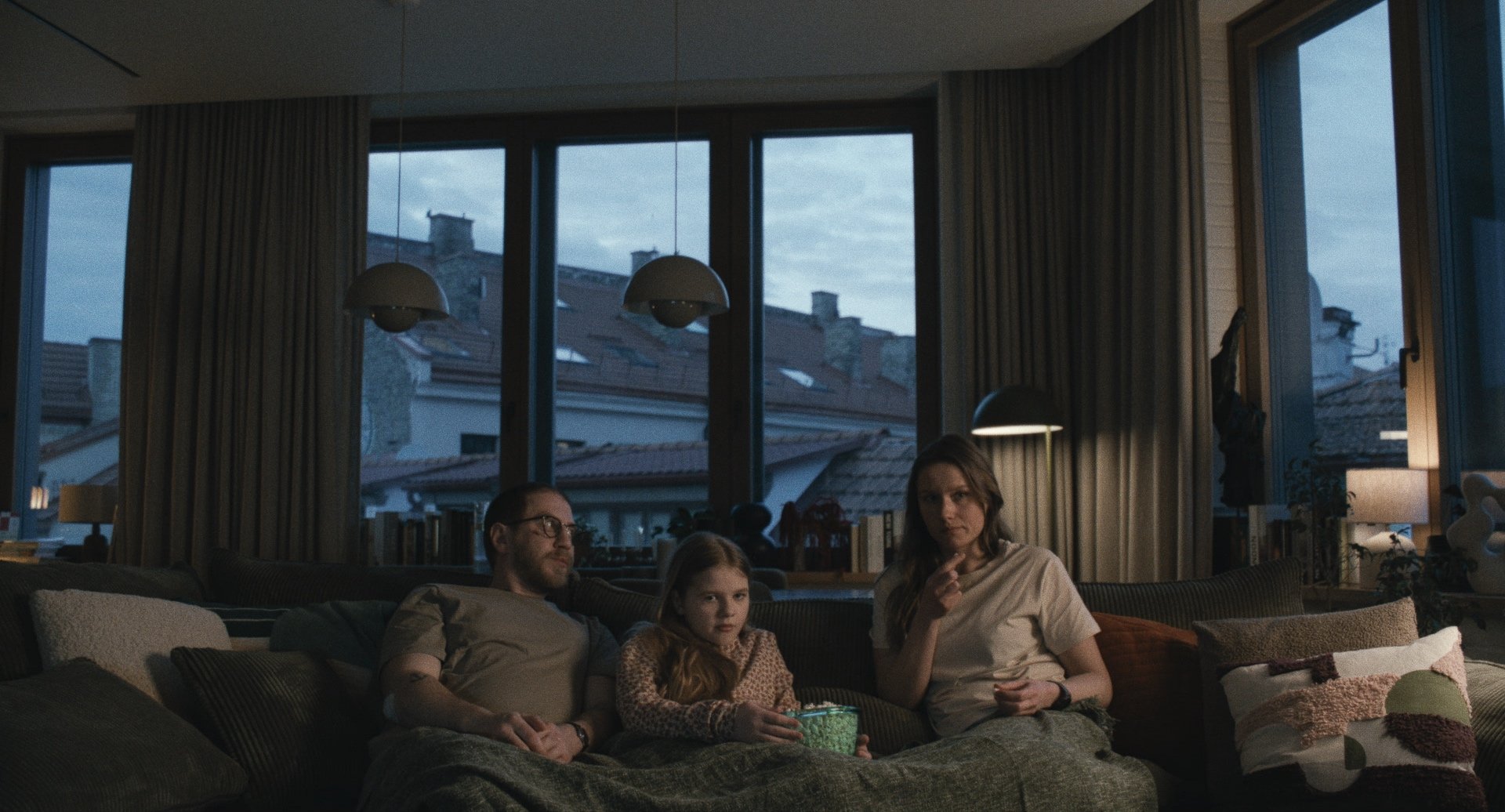
Rating: 4/5 Release Date: TBD Distributor: New Europe Film Sales
Three countries. Two Wars. One Family. How to Divorce During the War is a simultaneously darkly tragic and darkly funny take on the toxic relationships that become just as inescapable as they are co-dependent. It’s a film that hinges on its surprises, so I’ll keep this one brief. How to Divorce During the War sets the clock back to 2022, as Russia invades Ukraine, and divorce invades a Lithuanian marriage. It’s a slow burn, but a psychological mind-fuck. Director Andrius Blazevicius slowly drip feeds information about protagonists Marija and Vytas’ relationship, making them as unlikable as they are compelling. It sent me through a constant flip-flopping of emotions as my allegiances changed and my beliefs were challenged. It’s quite a lot like 2023’s Fair Play, but much more subdued. It’s one of the few slower-paced Sundance films that really makes the style work. Despite being smack dab in the middle of a five-movie marathon, I found myself pretty glued to the screen. The ending is a bit anticlimactic and far from unexpected, but its poetic nature reveals something deeper about wars inside and outside the home.
4. TheyDream
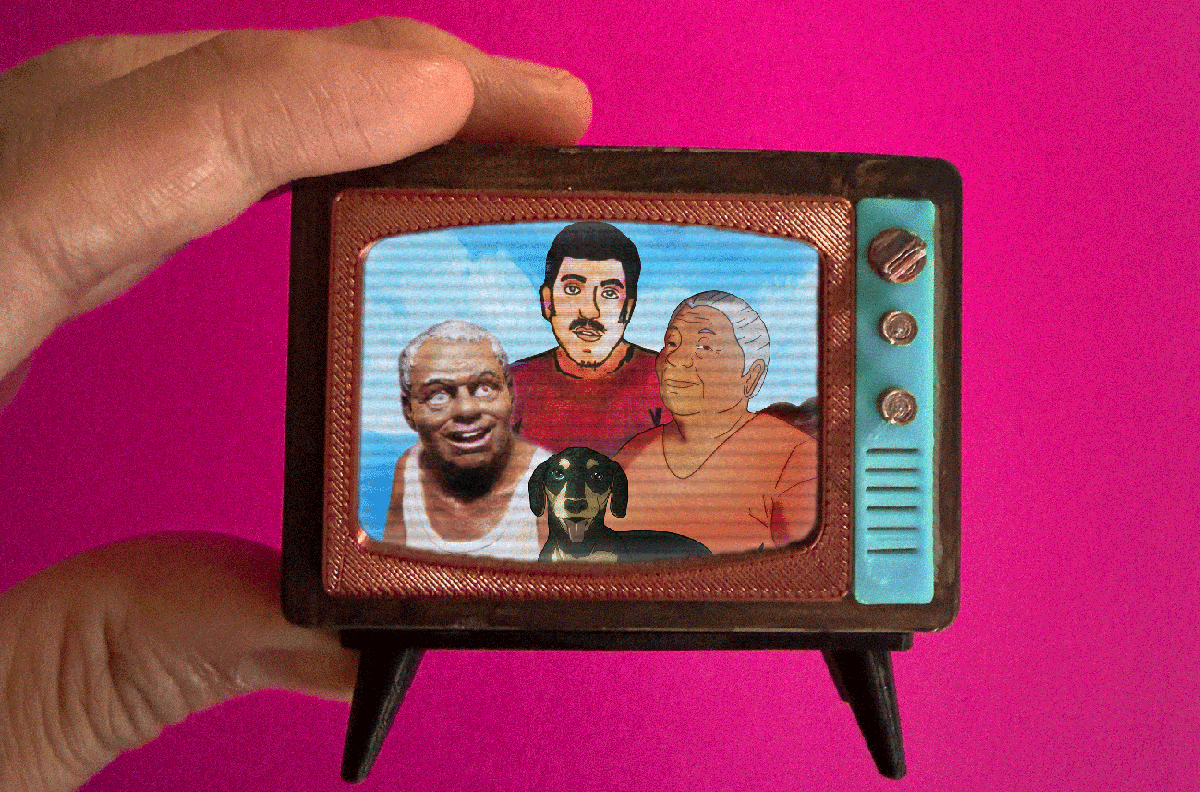
Rating: 4/5 Release Date: TBD Distributor: TBD
At least one film this year left me a crying mess. This year, it was William David Caballero’s animation-documentary, hybrid epic, TheyDream. Fusing animation and documentary, Caballero tells a multigenerational story of immigration, perseverance, and the impact we leave behind on those that come after us. It’s a personal love letter to Caballero’s family, but specifically his mother, Milly, who has often been required to sacrifice for both generations before and after her. Despite the struggles, she remained the glue of the family. By taking archival footage, audio tapes, and photos, Caballero recreates family memories through animation, often acting in them as his father. It’s equally funny, tragic, and heart-warming, and it’s made with the love only a son could have for his mother. TheyDream is beautifully (and quite literally) handcrafted, with incredibly detailed miniature sets and animations that put you deep into his family heritage. Watching this with my own mother was an incredibly emotional experience, and it will remind you why you should cherish the limited time you have with your family.
3. Ha-Chan Shake Your Booty
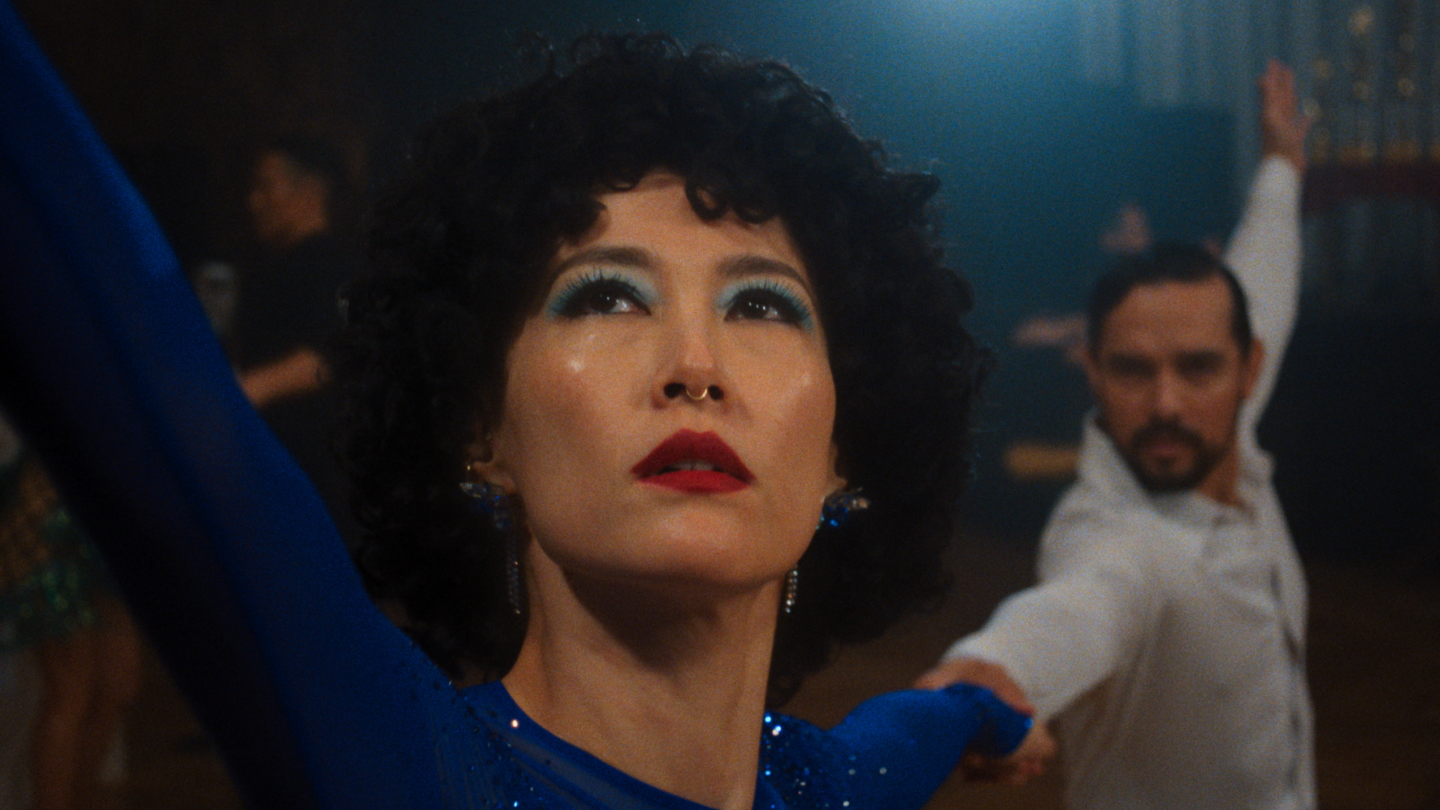
Rating: 4/5 Release Date: TBD Distributor: Sony Pictures Classic
Rarely does death strike at the right time, but right in the middle of a ballroom dance number has gotta be in the top five worst. Unfortunately, Haru faces this exact issue when her husband slumps over dead mid dance, and her shock sends her retreating into isolation. But fear not! Despite being a film about death and its inequities, Ha-Chan Shake Your Booty is one of the liveliest films of this year’s Sundance. Bending Japanese and Latin culture, Ha-Chan embraces our faults with comedy, tears, and a giant talking owl ghost, all wrapped up in a love triangle throuple with a dead man. It’s a truly one-of-a-kind genre mix that’s incredibly original, funny, heartfelt, and the exact type of film Sundance was built to show off. Admittedly, it’s a bit too long for its own good, which can be difficult after long travel days with no sleep and back-to-back movies. This has obviously been a recurring theme by this point, but the actual content of the film more than makes up for any issues I had with the runtime. I fear that this one won’t do well once it’s out in theaters, because I don’t know how the hell you market this thing. That being said, this seems like the kind of film that would go viral on streaming. This is built for the internet age, yet retains the heart and soul that often gets lost in online connection. The short version: If you see this movie playing in a theater near you, see it. I guarantee you haven’t seen anything else like it.
2. Episodic Fiction Pilots
Rating: 4.5/5 Release Date: N/A Distributor: N/A
Last year, I ventured out of my comfort zone and saw one of the Sundance Short blocks. As a brief recap, it was pretty hit and miss with some shorts that tried to achieve high, but resulted low. They definitely weren’t all bad, but I was a bit let down by the selection. This year, I decided to give one of these blocks a second chance. This time around, I was blown away. It might just have been that the night prior, I finished a five-movie marathon of some of the most depressing shit you have ever seen in your fucking life, but I know what I felt in that theater. After a festival that fell below expectations, this is absolutely what I needed on my last day. This was a representation of the kind of films we should be seeing more of at Sundance. These were so fun to watch, and I genuinely hope they all go to series.
Given that I’m doing my own independent pilot (more on that here), I also wanted to see what festivals look for in their episodic selections. Thankfully, I learned as much as I was entertained, and felt connected to a truly independent gauntlet of cinema.
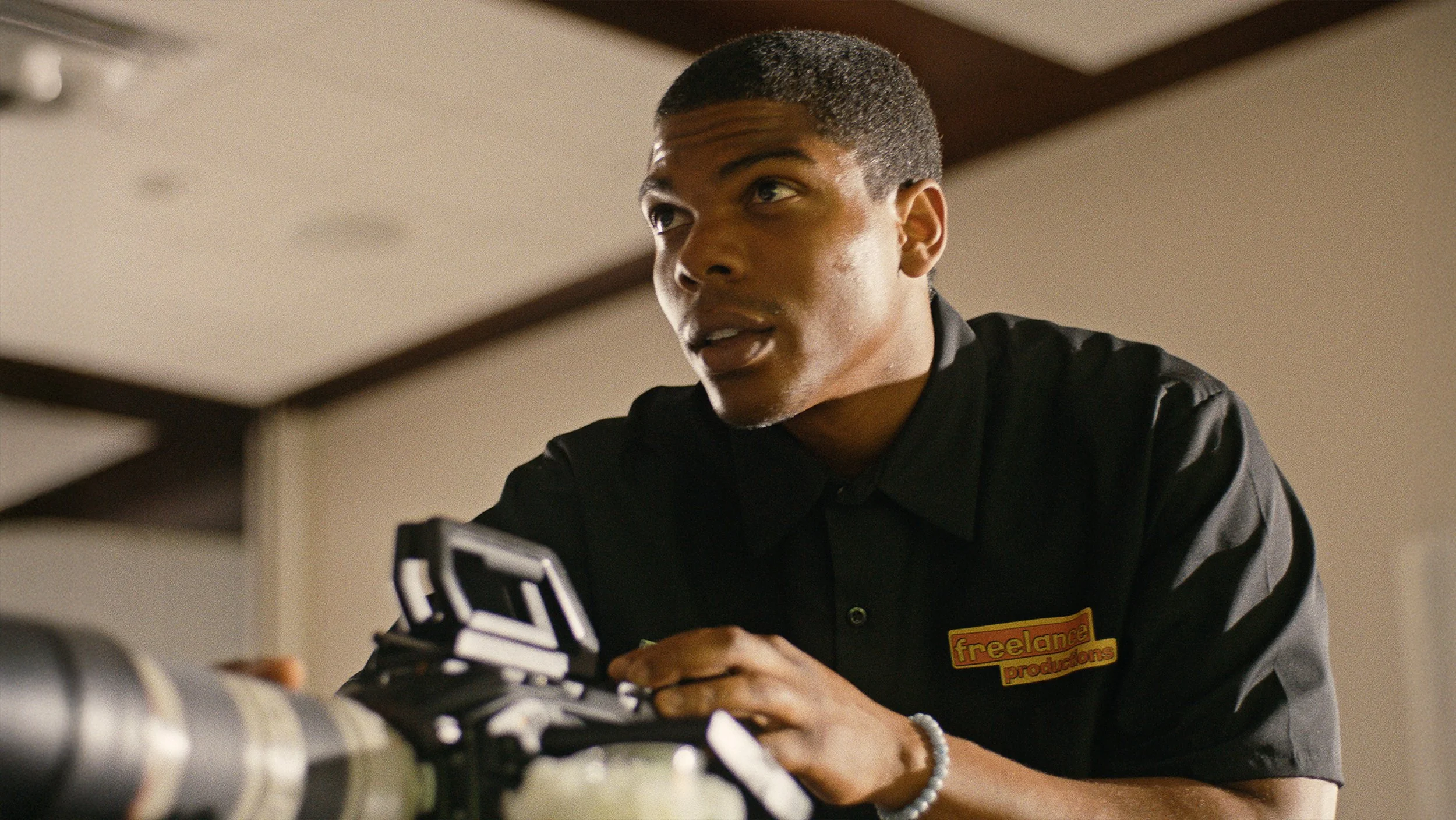
Freelance
Before this one started, I wasn’t 100% sure how it was going to go. Freelance follows the misadventures of young filmmakers in Atlanta, Georgia, trying to get their creative and career starts. I’ve seen a million similar “quirky 20-year-olds trying to be artists doing improv” short films, and they’re not great. However, the charisma in Freelance is off the fucking charts. These characters are so funny that you just can’t take your eyes off them. From the very first scene, I was on board. The bait and switch of an alarm clock with a smoke alarm chirp had me dying from the get-go. The direction from Julien and Justen Turner draws a straight line from 90s television to modern cinematic storytelling and humor. Of all the episodics I saw, this one felt most like a pilot, with the clearest setup for future episodes and characters. I also got to meet some of the team on this, and they’re great people. Wishing the best for them.
Soft Boil
The next hitter of the pilots comes Soft Boil, which follows a struggling actress as she takes on odd jobs while trying to support her struggling career and even more struggling personal life. This predicated itself on its incredibly offbeat sense of humor, a balance many filmmakers struggle to make work. Here it lands consistently. It’s a mix of shock and awe, just seeing how fucked up things would get. Lead actress Camille Wormser perfectly rides the line between cringe-inducing and charming, constantly catching me off guard. The writing is like the perfect blend between Fleabag and It’s Always Sunny, with a charming enough cast to keep me on board. This one felt the most like a short than a pilot (which it originated as such during the Q&A), but I’m interested to see how this could be expanded upon for a recurring series.
Worried
This one just goes to show that Sundance needs to work on their plot synopsis writing. “No one is more worried about Jules and Poppy than Jules and Poppy.” It’s a quirky one-sentence-er, but this has so much more. Similar in tone to Soft Boil, Worried follows two equally terrible yet lovable sisters trying to survive in NYC. I’ve always said good writing is good characters, and that couldn’t be more obvious here. Together, these co-leads are explosive and feel just like somebody you know (if not yourself). It has a perfect blend of gross-out and clever humor, always keeping things fresh. This one feels more like a proof of concept for a feature, but series like HBO’s Girls show how something like this can run ongoing. Hopefully, we’ll see more, because this was fantastic.
1. When a Witness Recants
Rating: 5/5 Release Date: TBA Distributor: HBO
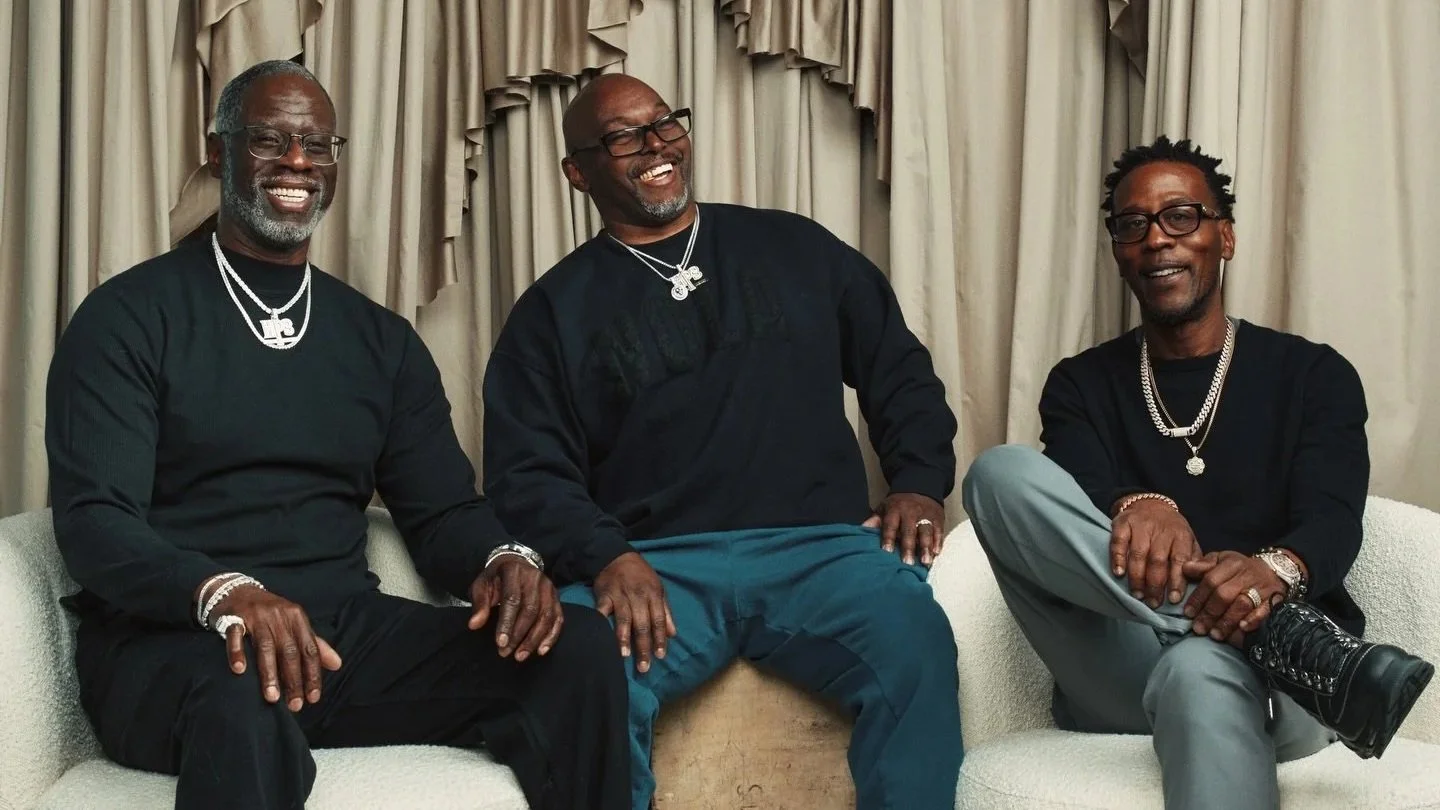
After an enjoyable but pretty underwhelming Sundance, I wasn’t super ready to go see When a Witness Recants. This was going to be my last film of the festival (in-person). I knew almost nothing about it, and I was feeling kind of crappy that this would be the end of a 50-year-long history with Park City. I didn’t feel like ending things with another depressing documentary. Thankfully, my trepidations about the film were quickly put to rest. When a Witness Recants is one of the few documentaries where the words truly escape me. This harrowing story follows the lives of the Harlem Park Three: a group of high schoolers from 1983 Baltimore, who were wrongly convicted of the murder of their friend. Despite an overwhelming amount of evidence proving the contrary, fabricated witness testimonies, a corrupt investigation, and zero consequences for the wrongdoers, teens Alfred Chestnut, Andrew Stewart, and Ransom Watkins are sent to prison with life sentences. 36 years later, and these men have spent their most formative years behind bars, fighting for their case, and securing their freedom. It’s a harrowing tale of the justice system’s failure and three promising young boys robbed of their innocence.
When the film started, I felt cold. It’s a tragic story that I’ve seen too many times before. Whether it was the Epstein files or repeatedly seeing people get killed by ICE over the past few days, I’d become numb to our state of unforgiving tragedy. However, as this documentary went on, I found the walls of my frozen heart melting, and the tears began to run. 5% of our incarcerated are innocent. How could we ever let this happen in our country? Even once is a crime against our nation and her people. What these boys went through is nothing short of tragic. Thankfully, Alfred Chestnut's relentless determination and case study sent shockwaves that couldn’t be held by prison walls. This catches the attention of Baltimore State Attorney Marilyn Mosby, who works to change the system in real time and fight on behalf of the unheard. The film culminates in one of the most harrowing interviews I’ve seen, where these three men confront one of the men who faked his eye witness testimony. This grand finale and Q&A appearance of the three and their legal team led to a standing ovation, many tears, and palpable energy quite similar to 2023’s Beyond Utopia. It was a hell of a way to end my festival and grand finale in Park City. After a long stream of hopeless films about the ills of our society, it was an important reminder that hope can win, people do care, and some things in this world are worth fighting for.
So long, Park City. You will always have my heart.